
The Crayon Rescue Project
A sustainable waste reduction initiative for Butlin’s hospitality group.

Executive summary
The Crayon Rescue Project presents a comprehensive solution to address the substantial waste of children’s art supplies within Butlin’s restaurant operations. Through systematic data collection and analysis, this initiative demonstrates how approximately 216,000 crayons discarded annually at a single location can be redirected to charitable organisations, aligning with Butlin’s core mission of supporting children’s welfare while generating positive environmental and social impact at zero additional cost.
1. Introduction and context
1.1 The current situation
Butlin’s restaurants provide complimentary colouring pages and crayons to enhance the dining experience for families with young children. This thoughtful amenity successfully supports child development through creative expression while allowing parents to enjoy their meals in a more relaxed atmosphere. The provision of art supplies encourages motor skill enhancement and emotional regulation, creating a family-friendly environment that distinguishes Butlin’s hospitality experience.
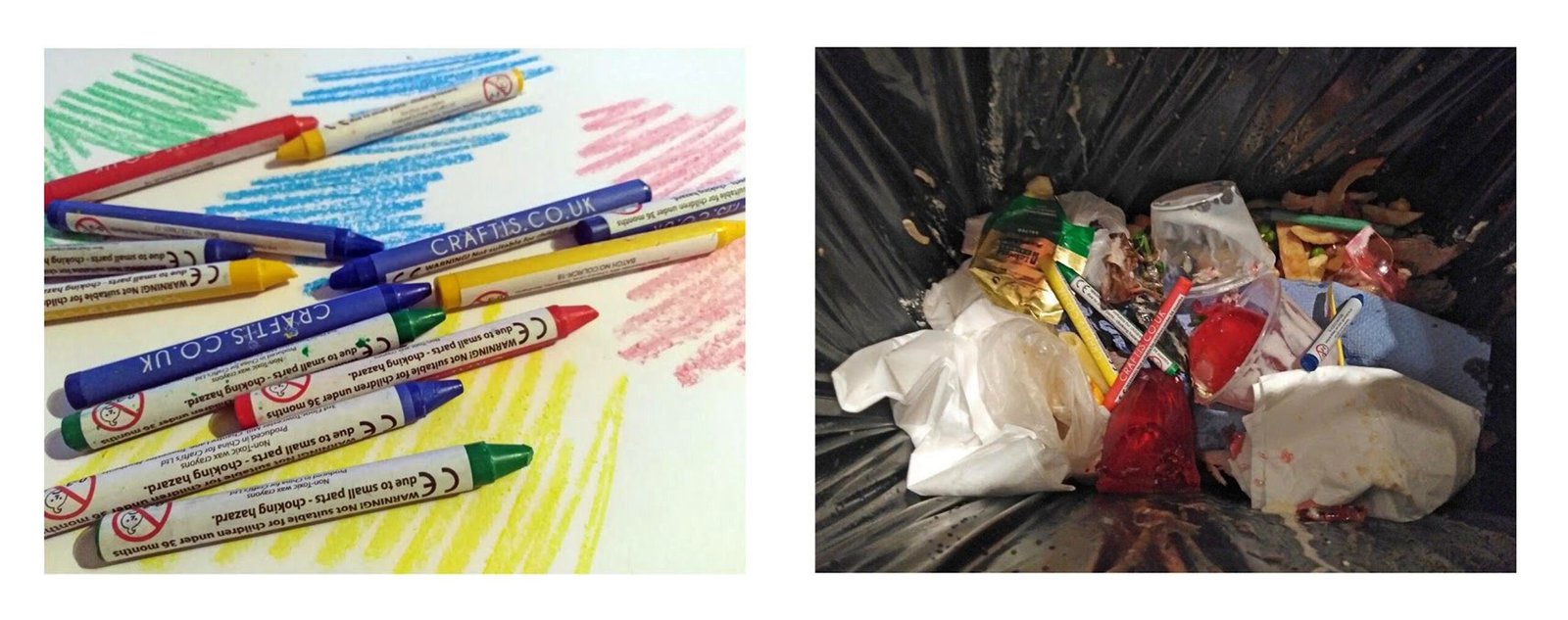
However, this well-intentioned service has inadvertently created a significant waste stream. Current operational practices lack protocols for managing used art supplies, resulting in the systematic disposal of reusable materials. When families finish their meals, the majority of crayons remain on tables, having served their purpose but retaining substantial utility for future use. Guest feedback consistently indicates that while families appreciate the amenity, most decline to take crayons home due to hygiene concerns or because they already possess adequate supplies. This pattern leaves staff with no alternative but to dispose of it, creating a recurring cycle of waste that contradicts both environmental sustainability principles and the company’s charitable mission.
1.2 Developmental benefits of art supplies
The importance of crayon-based activities in childhood development cannot be overstated. Research consistently demonstrates that these simple tools support critical developmental areas that extend far beyond mere entertainment. Fine motor control and hand-eye coordination develop naturally through the gripping and manoeuvring required for colouring activities. Cognitive growth accelerates as children learn colour recognition and develop spatial awareness through the relationship between their movements and the marks they create on paper.
Beyond physical development, crayons serve as powerful tools for emotional regulation. Art therapy principles recognise that creative expression provides children with non-verbal outlets for processing complex emotions and experiences. The focused attention required for colouring activities also enhances concentration and sustained attention, skills that prove invaluable in educational settings. Most significantly, the open-ended nature of artistic creation fosters the development of imagination and self-expression skills that contribute to confident, creative thinking throughout life.
2. Quantitative analysis
2.1 Waste assessment methodology
To establish credible baseline metrics for this initiative, a comprehensive 28-day data collection study was conducted at The Deck Restaurant between March 17 and April 13, 2019.
This study employed systematic collection and enumeration of discarded crayons across all service periods, providing empirical evidence for the scale of the waste challenge. The methodology focused on capturing only those crayons that would typically be discarded during standard cleaning procedures, ensuring that the data reflected actual waste streams rather than theoretical projections.
The study revealed usage and disposal patterns that varied significantly across service periods and guest demographics. Peak waste periods aligned with family dining times, particularly during weekend services when children’s activities increased substantially. The systematic approach to data collection eliminated variables such as seasonal fluctuations and special events, providing a representative sample that could be reliably extrapolated to annual projections.
2.2 Findings and projections
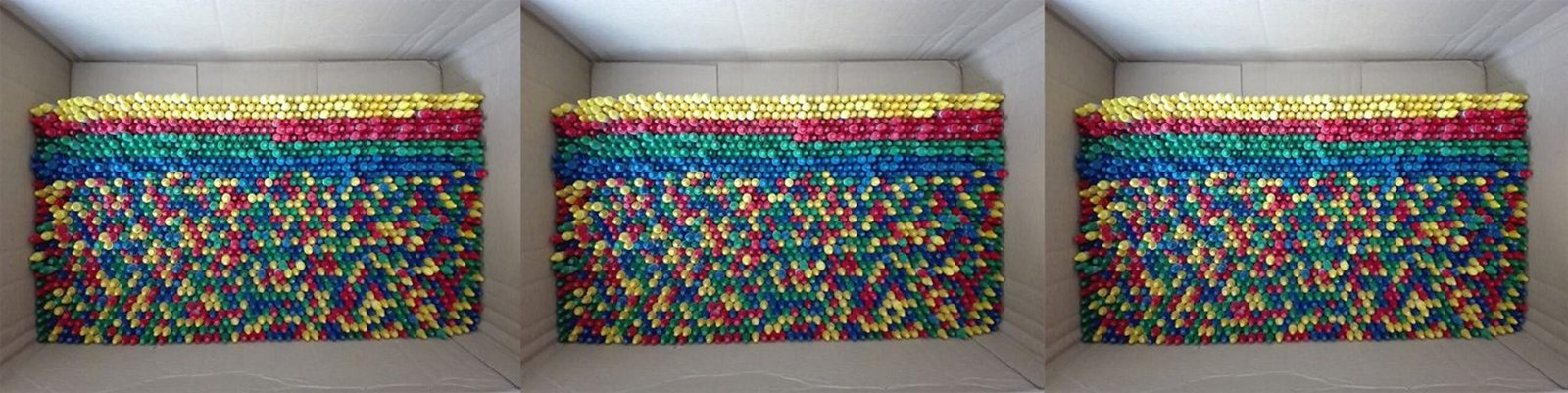
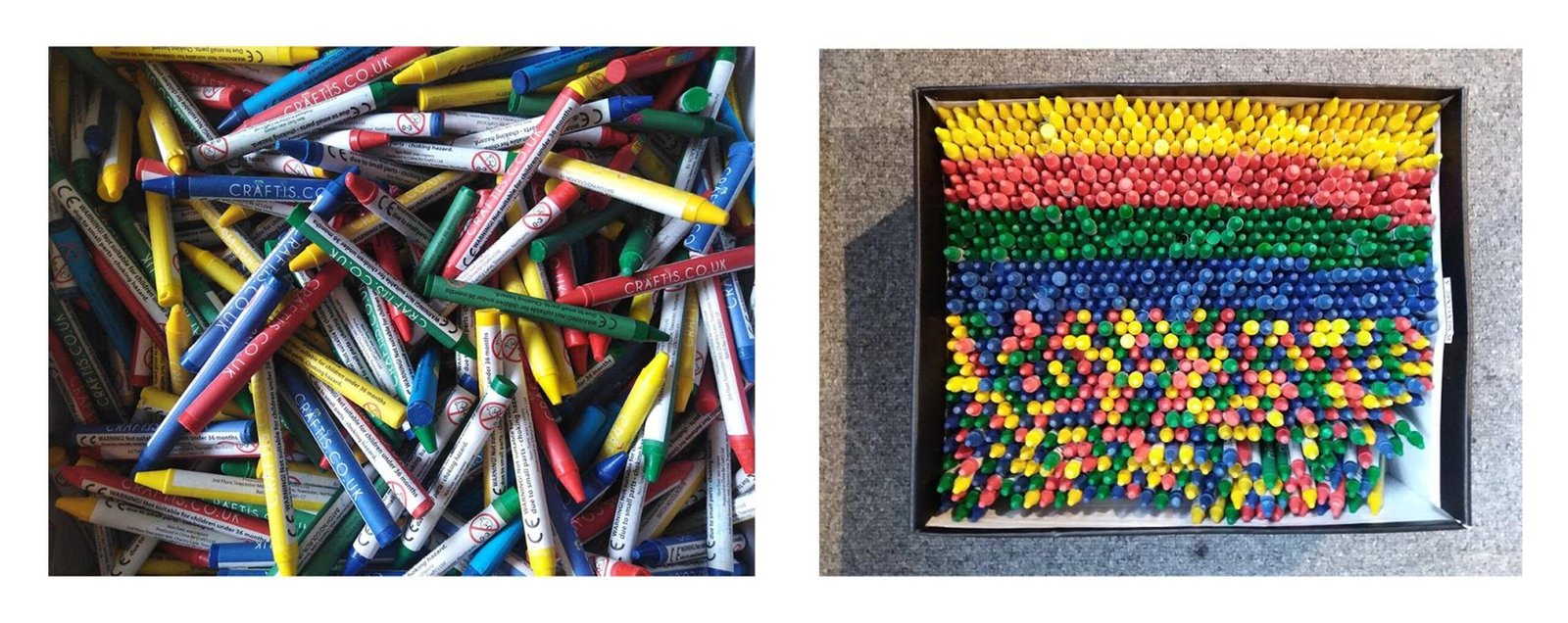
The primary data collection yielded striking results that exceeded initial expectations. A single team member’s systematic collection efforts over 28 days yielded 1,615 crayons, establishing a baseline monthly rate of more than 1,500 crayons per team member. When this individual collection rate is scaled across the 12-floor service team members operating within The Deck Restaurant, the monthly waste stream exceeds 18,000 crayons.
Annual projections based on this data indicate that more than 216,000 crayons are systematically discarded at this single location each year.

3. Strategic alignment with organisational values
3.1 Billy Butlin’s legacy
The proposed initiative represents a natural evolution of Billy Butlin’s foundational commitment to children’s welfare and happiness. Billy Butlin’s vision emerged from his own disappointing childhood holiday experiences, driving him to create environments where families could enjoy genuine happiness together. His business philosophy centred on the principle that children’s joy should be paramount in hospitality experiences, a revolutionary concept that distinguished Butlin’s from conventional accommodation providers.
This commitment to children’s welfare extended beyond business operations into charitable endeavours. Beginning in 1938, Billy Butlin established ongoing partnerships with Great Ormond Street Hospital Children’s Charity, demonstrating that his concern for children’s well-being encompassed those facing significant health challenges. These charitable relationships have continued throughout the company’s evolution, establishing a precedent for initiatives that combine operational efficiency with meaningful social impact.
The Crayon Rescue Project embodies these founding principles by transforming operational waste into charitable contributions that directly benefit children who lack access to basic educational and creative materials. This approach honours Billy Butlin’s legacy while addressing contemporary sustainability concerns and expanding the company’s positive impact beyond its immediate guest community.
3.2 Contemporary corporate social responsibility
Modern corporate social responsibility frameworks increasingly recognise that sustainable business practices must integrate environmental stewardship with community impact and brand enhancement. The Crayon Rescue Project advances multiple CSR objectives simultaneously through a single, streamlined initiative that requires minimal resource allocation while generating measurable benefits.
Environmental stewardship emerges through systematic waste reduction and resource optimisation. Rather than contributing to landfill accumulation, materials retain their utility by being redirected to appropriate recipients. Community impact develops through supporting disadvantaged children who lack access to educational and creative materials, extending Butlin’s positive influence beyond paying guests to include society’s most vulnerable populations. Brand enhancement occurs naturally as stakeholders recognise the company’s commitment to values-driven operations that prioritise social benefit over mere profit maximisation.
The initiative’s operational efficiency represents perhaps its most compelling aspect, demonstrating that meaningful social impact can be achieved without compromising business effectiveness or requiring substantial additional investments. This cost-neutral implementation model provides measurable benefits while maintaining the financial sustainability essential for long-term success.
4. Beneficiary analysis and impact potential
4.1 Target organisations
Educational institutions are the primary beneficiaries of crayon donations, as these materials directly support curriculum requirements and creative development programs. Kindergartens and primary schools consistently face budget constraints that limit their ability to provide adequate art supplies, making donations particularly valuable for maintaining comprehensive educational experiences. Special needs facilities utilise art therapy programs that require substantial supplies for therapeutic interventions, creating ongoing demand for materials that support both educational and healing objectives.
Healthcare facilities, particularly children’s hospitals, integrate recreational activities into treatment protocols to support patient well-being and recovery processes. Crayons enable therapeutic recreational activities that provide psychological comfort during difficult medical experiences while supporting continued development despite hospitalisation. Rehabilitation centres employ art-based activities to support motor skill development and cognitive recovery, making these supplies essential tools for therapeutic intervention.
Social services organisations, including orphanages and foster care facilities, often operate with severely limited budgets that restrict their ability to provide enrichment materials for children in their care. Family support organizations utilize art supplies in programming designed to strengthen family relationships and provide positive outlets for stress and emotional expression. These organisations frequently lack consistent funding for non-essential supplies, making donations particularly impactful for their programming effectiveness.
International development initiatives increasingly recognise that educational materials, including basic art supplies, contribute significantly to literacy and learning outcomes in developing regions. Cross-cultural learning initiatives utilise creative activities to bridge language barriers and support cognitive development regardless of linguistic differences.
4.2 Demonstrated impact potential
Research across multiple disciplines consistently demonstrates that art supply donations generate impacts that extend far beyond their immediate material value. Educational outcomes in resource-constrained environments improve measurably when students have access to creative materials that support learning through multiple sensory channels. Children who engage in regular artistic activities demonstrate enhanced problem-solving abilities, improved emotional regulation, and increased confidence in self-expression.

Measured Developmental Improvements (Based on educational research data)
Therapeutic interventions for hospitalised children show significantly improved effectiveness when art supplies enable creative expression during treatment periods. The psychological benefits of creative activities help children process complex medical experiences while maintaining connections to normal childhood activities. Social development programs for at-risk youth utilise artistic expression as a foundation for building self-esteem and developing positive peer relationships.
International development research indicates that basic educational materials, including art supplies, contribute to literacy development and cognitive growth that persist throughout children’s educational journeys. The provision of creative materials supports cultural expression and identity development while building foundational skills that enhance overall academic achievement.
5. Implementation Framework
5.1 Proposed Operational Models
The implementation strategy comprises four progressive phases that enable systematic development and risk mitigation while building toward comprehensive organisational integration. The initial pilot implementation focuses on individual initiative within existing operational structures, utilising volunteer-based collection systems that require minimal resource allocation while demonstrating measurable outcomes. This approach enables proof-of-concept development without disrupting established operational procedures or requiring formal policy modifications.
Implementation Timeline and Phase Development
Departmental integration represents the second phase, incorporating formalised volunteer networks across restaurant operations with standardised collection protocols and quality controls. This expansion demonstrates scalability while maintaining operational efficiency and establishing regular distribution schedules with charity partners. The team-based approach builds internal support and expertise while refining procedures for broader implementation.

Implementation Process Flow
Organisational integration constitutes the third phase, involving the development and implementation of corporate policy across all operational units. Multi-site coordination across all Butlin’s locations requires strategic partnerships with national charity networks and standardised procedures to ensure consistent quality and impact measurement. This phase establishes the initiative as a core component of company operations rather than a supplementary program.
Brand initiative development represents the culminating phase, integrating public relations and marketing campaigns that position Butlin’s as an industry leader in sustainable hospitality practices. Guest engagement and awareness programs create opportunities for visitor participation while demonstrating the company’s commitment to social responsibility. Industry leadership positioning enhances brand value while encouraging sector-wide adoption of similar sustainability initiatives.
5.2 Quality Standards and Protocols
Successful implementation requires clear quality standards that ensure donated materials meet appropriate hygiene and utility standards while maintaining efficiency in collection and distribution processes. Collection criteria focus exclusively on used, damaged, or hygienically compromised items that would otherwise be discarded, maintaining clear distinctions between materials appropriate for reuse within restaurant operations and those suitable for charitable donation.
Sanitation and sorting procedures ensure that donated materials meet the standards expected by receiving organisations while protecting the reputation of both Butlin’s and partner charities. Regular quality audits maintain consistency across collection sites and provide feedback mechanisms that enable continuous improvement in procedures and outcomes.

6. Partnership Development and Stakeholder Engagement
6.1 Confirmed Partnership Opportunity
School Aid UK has confirmed enthusiastic receptivity to partnership development, recognising crayons as a material in high demand in African schools that are sadly underrepresented in typical donation streams. Their established infrastructure can accommodate regular donations of up to 20 boxes monthly through integration with existing distribution networks via The Entertainer retail partnership. This arrangement provides flexible collection options, including on-site pickup services that minimise logistical burdens on Butlin’s operations while ensuring reliable distribution to beneficiary communities.
The partnership offers additional benefits through official recognition and publicity opportunities that enhance Butlin’s reputation while supporting School Aid UK’s mission to improve educational outcomes in developing regions. This collaborative approach demonstrates how corporate waste streams can be transformed into meaningful contributions to international development through strategic partnerships.
6.2 Additional Partnership Prospects
Local organisations present numerous opportunities for expanding partnership networks while supporting regional communities. Family Support Work has provided assistance to Sussex’s most vulnerable families since 1890, creating established relationships with families who would benefit from educational and creative materials. Chestnut Tree House Children’s Hospice serves as the primary pediatric hospice for East and West Sussex, Brighton and Hove, and South East Hampshire, caring for 300 children and young adults with progressive life-shortening conditions who benefit significantly from creative therapeutic activities.

Partnership Network and Distribution Channels
Regional educational institutions and community centres represent additional partnership opportunities that support local communities, reduce transportation requirements, and enable more frequent donation cycles. These partnerships create opportunities for direct community engagement and enable Butlin’s staff to witness firsthand the impact of their collection efforts.
Projected Distribution Impact by Beneficiary Sector
Distribution networks through The Entertainer retail stores provide established charity collection points that minimise logistical complexity while ensuring reliable handling and distribution of donations. Regional charity consortia and resource-sharing networks offer opportunities for broader impact through coordinated distribution efforts that maximise the effectiveness of collected materials.

7. Risk Assessment and Mitigation
7.1 Operational Considerations
Implementation presents several operational challenges that require systematic mitigation strategies to ensure successful integration with existing procedures. Staff time allocation for collection and sorting activities must be carefully managed to avoid disrupting primary service responsibilities or creating additional workload burdens that could generate resistance to the initiative. Storage space requirements for accumulation periods need to be considered within existing facility constraints, particularly in restaurants where space utilisation is already optimised for operational efficiency.
Transportation logistics for charity delivery represent another operational consideration, as reliable distribution schedules must be maintained without creating additional responsibilities for restaurant staff or requiring significant resource allocation for delivery services. These challenges can be effectively mitigated through integration with existing cleaning and maintenance protocols that already address waste management, utilisation of minimal storage space through regular collection schedules that prevent accumulation, and partnerships with charities offering pickup services that eliminate transportation burdens.
7.2 Quality Assurance
Maintaining consistent quality standards across multiple collection sites requires systematic approaches to training, monitoring, and feedback. Clear guidelines for donation-appropriate materials must be communicated effectively to all participating staff members to ensure that collected items meet the standards expected by receiving organisations. Regular quality audits provide opportunities to identify areas where procedures can be improved while ensuring the initiative maintains the high standards necessary for successful charitable partnerships.
Feedback mechanisms with receiving organisations create opportunities for continuous improvement while demonstrating the impact of collection efforts to participating staff members. This communication loop enhances motivation for continued participation while providing the data needed to measure and report the initiative’s effectiveness to organisational leadership.
8. Global Context and Industry Leadership
8.1 International Precedents
The initiative aligns with established programs throughout North America that demonstrate the viability and impact potential of systematic crayon recovery and redistribution. The Crayon Initiative in California operates large-scale crayon recycling and redistribution programs that serve educational institutions throughout the region. Crayons Matter in North Carolina focuses on community-based art supply recovery that engages local volunteers while supporting regional educational needs. No Crayon Left Behind in Pennsylvania specifically targets educational facility support, demonstrating how corporate waste streams can be transformed into meaningful educational resources.

Global Crayon Recovery Landscape and Market Opportunity
These precedents provide evidence that crayon recovery initiatives generate measurable benefits for receiving communities while creating positive publicity and stakeholder engagement for sponsoring organisations. The success of these programs demonstrates that systematic approaches to art supply recovery can scale effectively while maintaining quality standards and operational efficiency.
8.2 Market Differentiation Opportunity
Limited comparable initiatives exist within the UK hospitality sector, presenting significant opportunities for industry leadership in sustainable practices and competitive differentiation through social impact. Butlin’s has the opportunity to establish itself as a pioneer in hospitality sustainability while creating a model for sector-wide adoption that enhances the industry’s overall social responsibility profile.
This market-differentiation opportunity extends beyond immediate competitive advantages to long-term brand positioning that appeals to increasingly environmentally and socially conscious consumers. Families choosing holiday destinations increasingly consider the social responsibility commitments of hospitality providers, making this initiative a valuable component of marketing and brand development strategies.
9. Conclusion and Recommendations
The Crayon Rescue Project represents a strategically aligned, operationally feasible initiative that delivers measurable social and environmental benefits while enhancing Butlin’s brand positioning and stakeholder relationships. The project’s fundamental strength lies in its elegant simplicity, cost-neutrality, and direct alignment with organisational values and charitable mission established by Billy Butlin himself.
Comprehensive Benefit Analysis Framework
The convergence of waste reduction, charitable impact, brand enhancement, and operational efficiency creates a compelling business case that extends beyond traditional corporate social responsibility initiatives. By transforming operational waste into meaningful charitable contributions, Butlin’s can demonstrate industry leadership while fulfilling its foundational commitment to children’s welfare and community support.

Strategic Implementation Timeline
Immediate implementation should begin with the authorisation of a pilot program at the Bognor Regis location, the establishment of formal partnership agreements with School Aid UK, and the development of operational guidelines and quality standards to ensure successful execution. The implementation of performance metrics will enable tracking systems that measure impact, providing the data necessary for program evaluation and expansion planning.
Long-term strategic integration should focus on policy development that incorporates the initiative into corporate sustainability frameworks, systematic expansion planning to roll out across all Butlin’s locations, comprehensive development of a charity partnership portfolio, and strategic communication of initiative outcomes to enhance brand reputation and industry positioning.
The initiative offers Butlin’s an exceptional opportunity to demonstrate that profitable business operations and meaningful social impact are not only compatible but mutually reinforcing when approached with strategic vision and operational excellence. Through systematic waste reduction and charitable engagement, the company can honour its founder’s legacy while establishing new standards for social responsibility in the hospitality industry.
This project represents more than waste reduction or charitable donation; it embodies the principle that thoughtful business practices can create positive change that extends far beyond immediate operational boundaries. The collaboration and enthusiasm that have already emerged from colleagues across Butlin’s departments demonstrate the potential for initiatives that align organisational values with employee passion for meaningful contribution to their communities.

This project represents a collaborative effort supported by Kayla Leck, Klaudia Kasica, and numerous colleagues across Butlin’s departments who recognised the potential for positive impact through systematic waste reduction and charitable engagement. Their encouragement and insight have been instrumental in developing this initiative from individual observation to a comprehensive organisational opportunity.
Authorship of photos, charts and plan: Mira Maria Belniak (Residential Catering Team Member, Butlin’s Bognor Regis 2019).
The Butlin’s board approved and awarded the project.