
Sal Island Travel Guide
Writing | Photography | Editing | Self-publishing
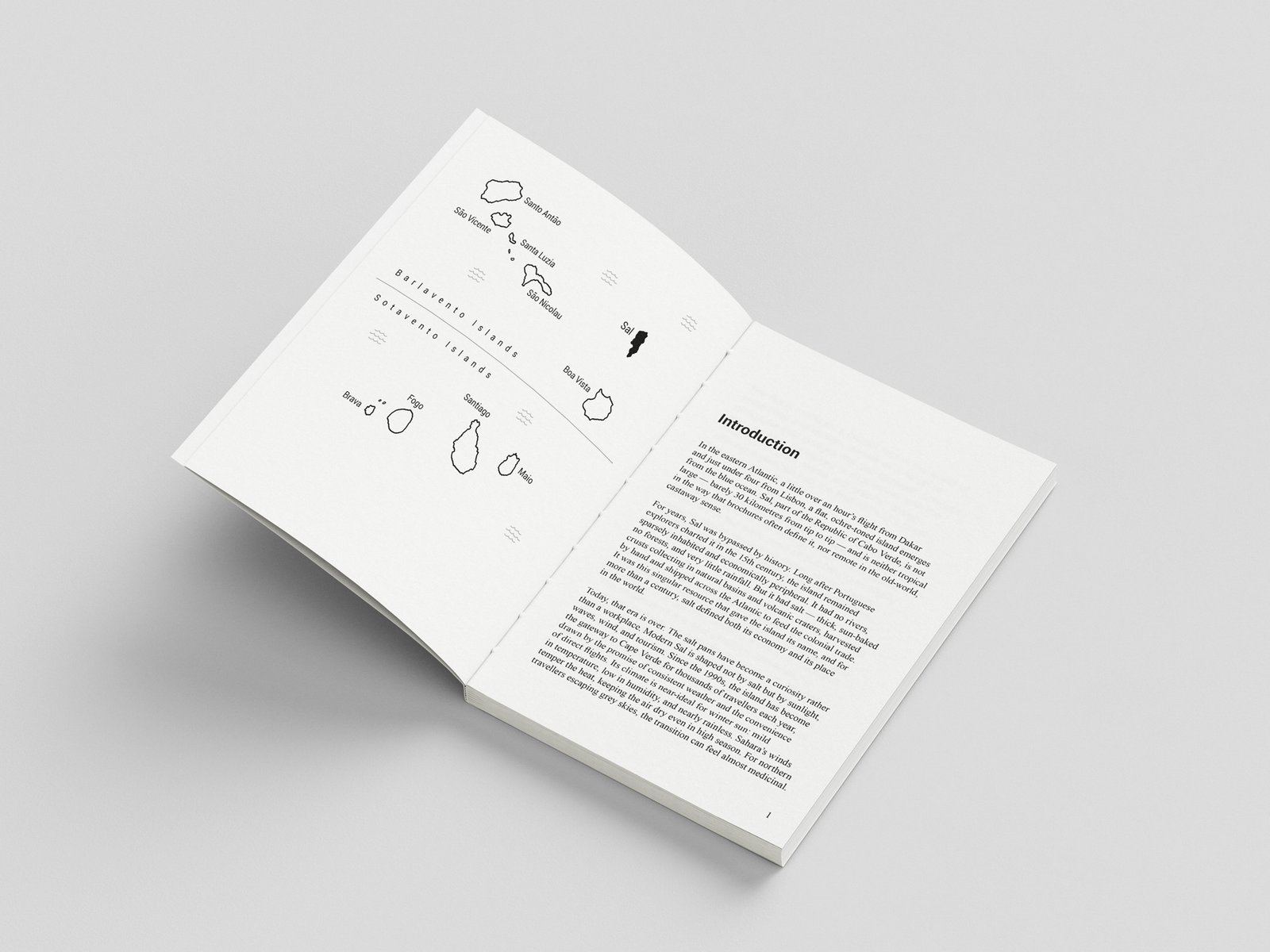
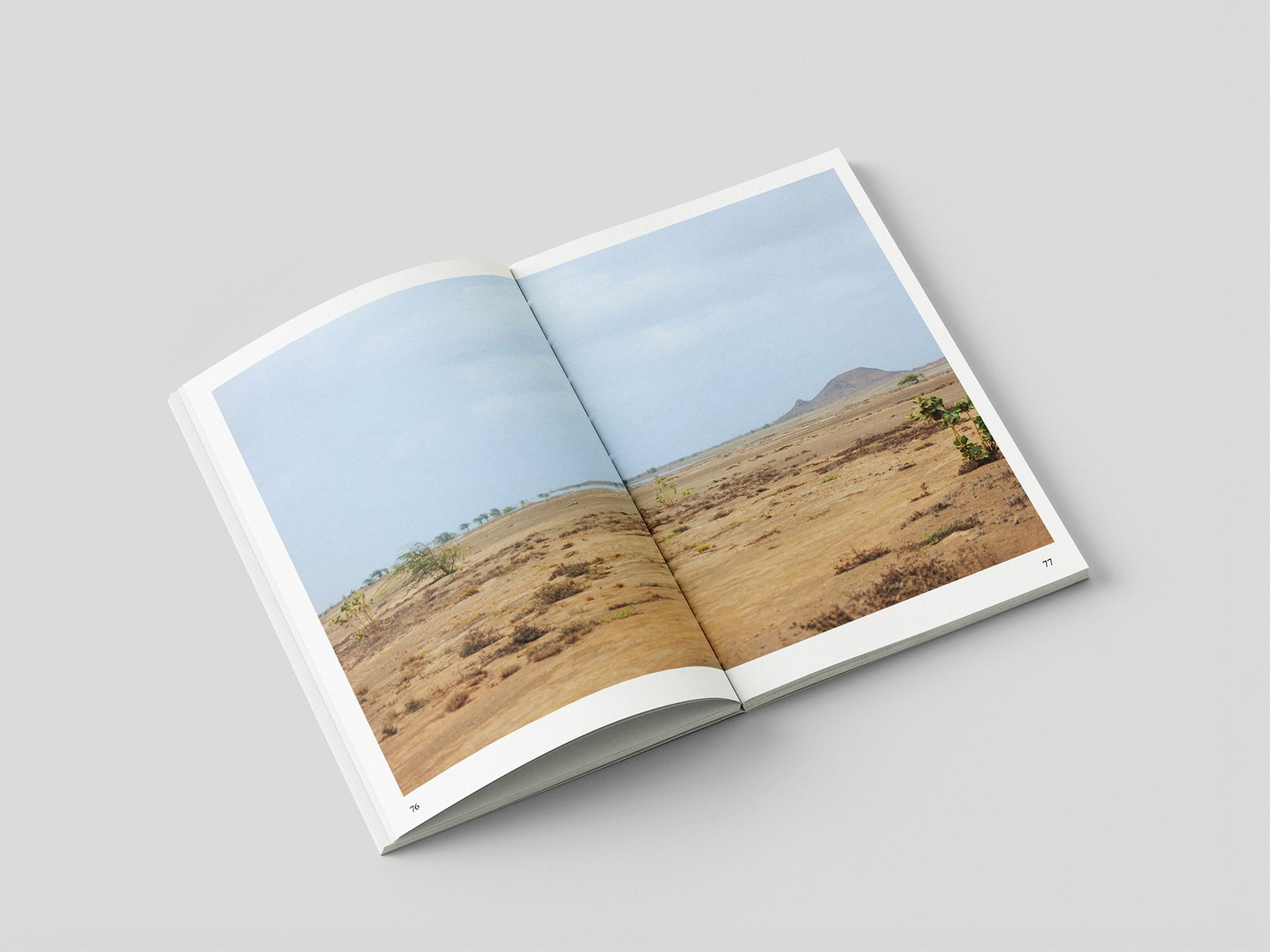
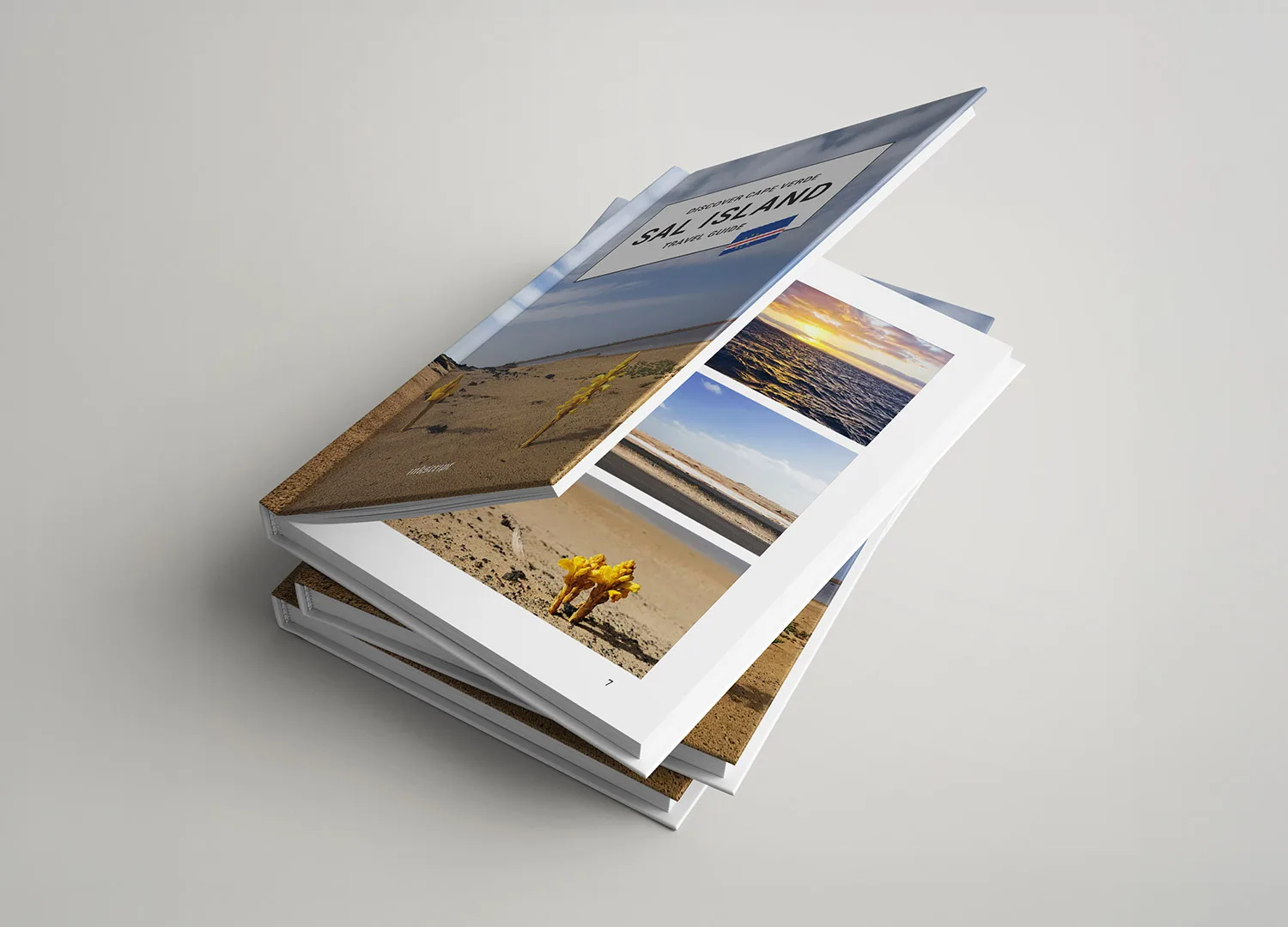
Sal is one of the ten islands in the Cape Verde archipelago, around 570 kilometres off the coast of Senegal in the eastern Atlantic. It’s the flattest and driest of the group — a small, wind-swept stretch of sand, salt, and volcanic rock that receives almost no rain and whose economy depends almost entirely on tourism. Most visitors arrive on charter flights from Europe, transfer to all-inclusive resorts along the southern coast, and spend their trip within a few hundred metres of Santa Maria Beach. There’s nothing wrong with that — the beach is genuinely extraordinary — but there is a lot more to Sal than the resort strip, and very little of it is written down anywhere in a way that’s useful to someone actually trying to navigate it.
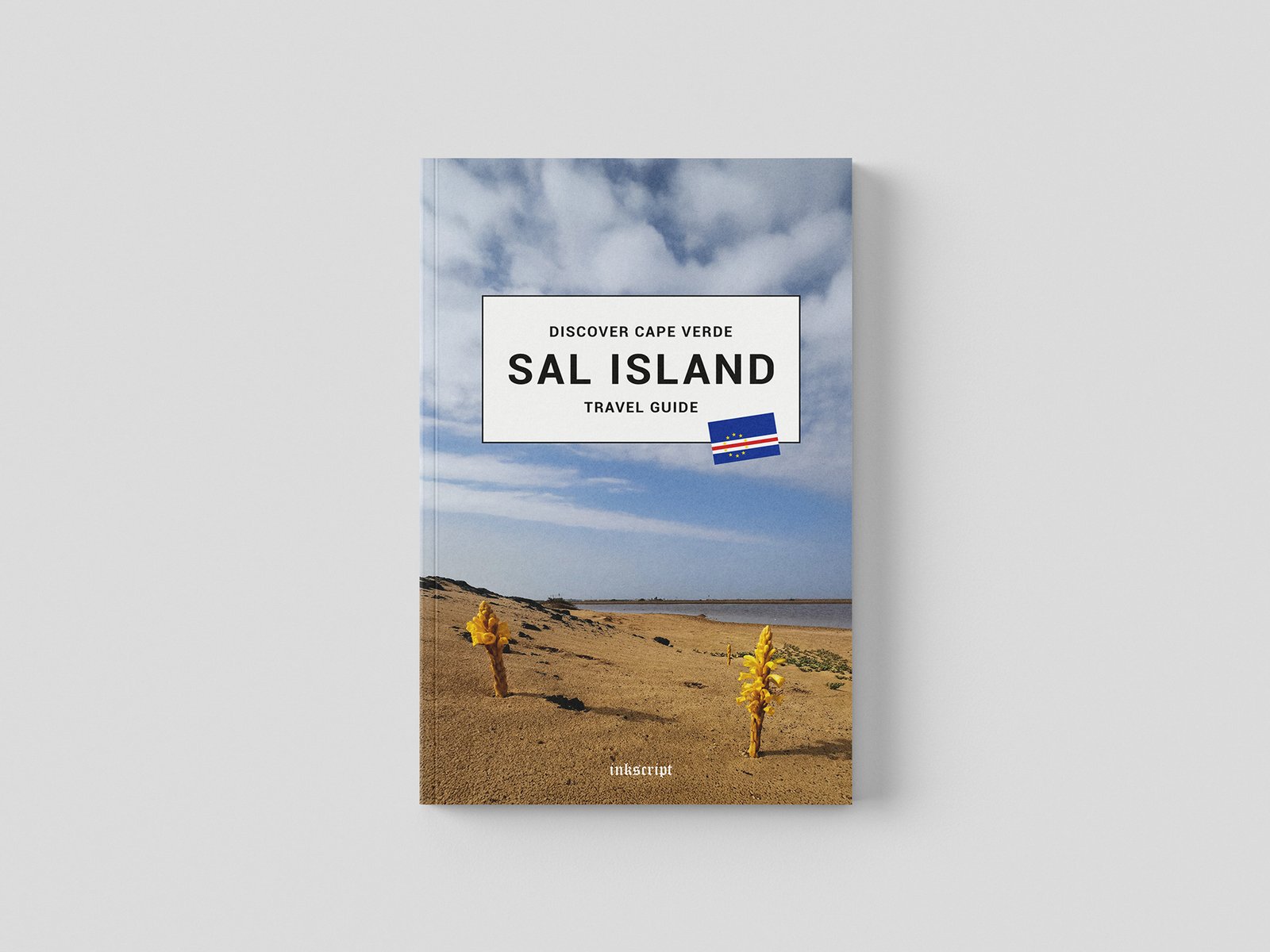
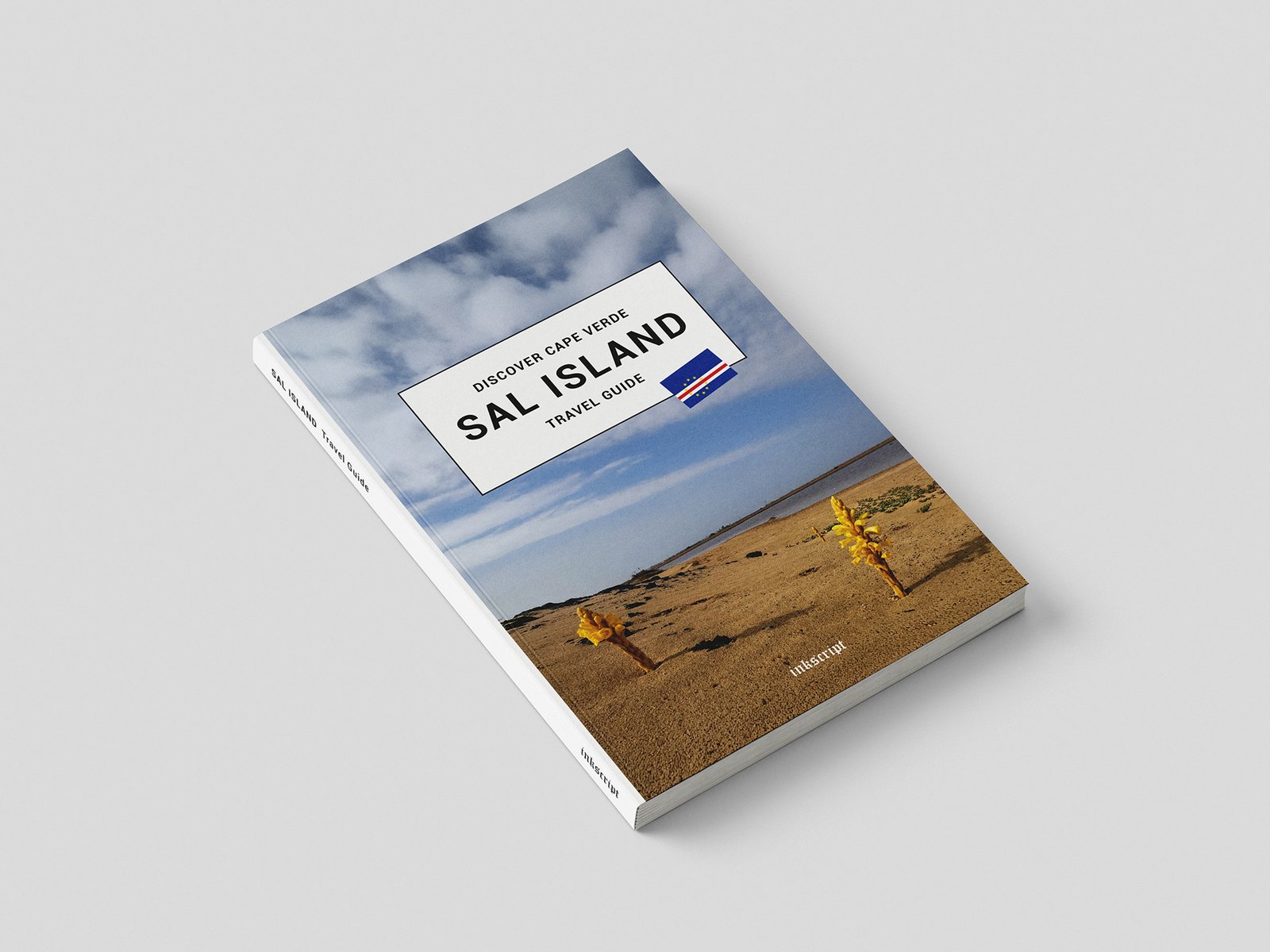
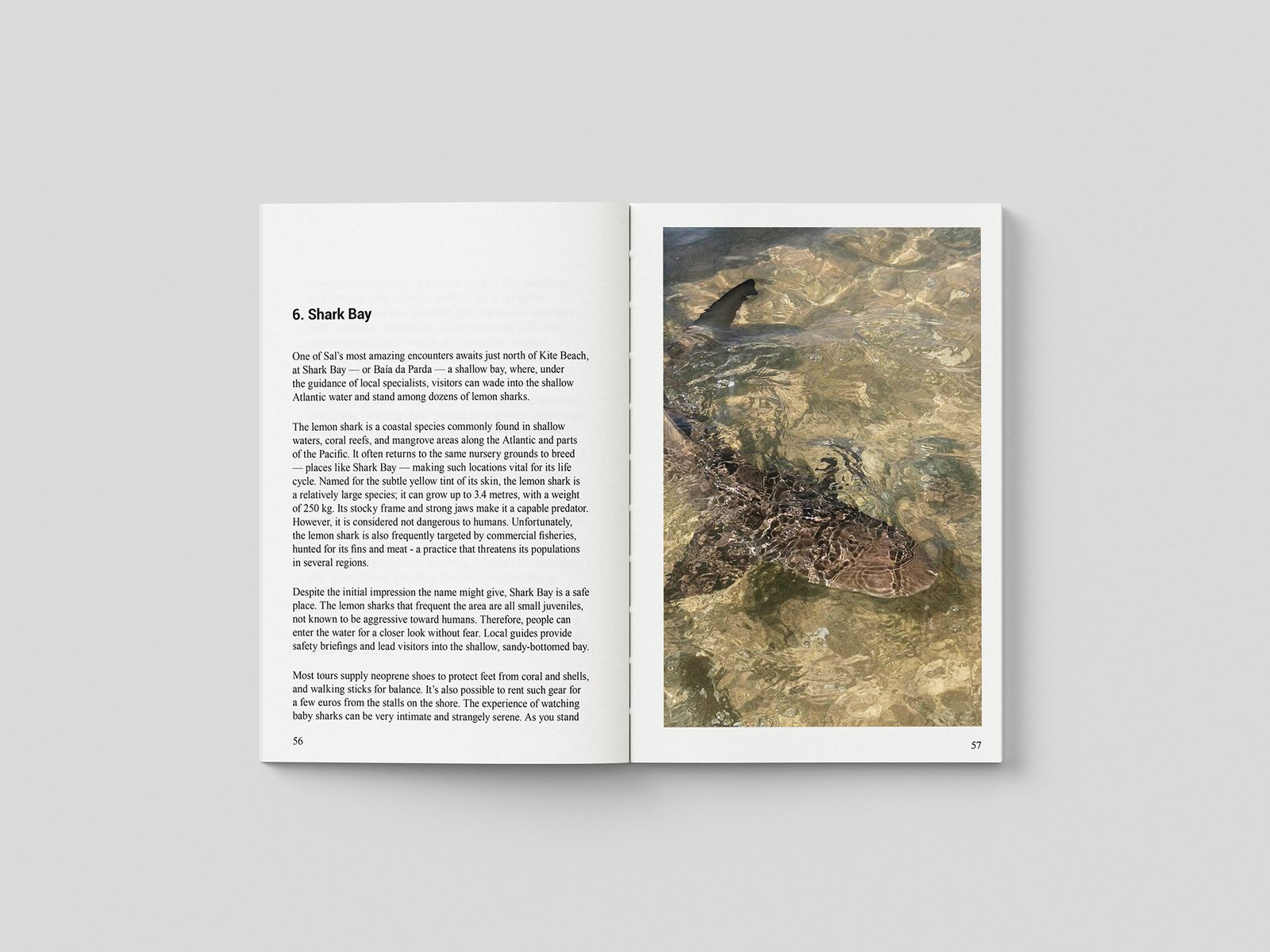
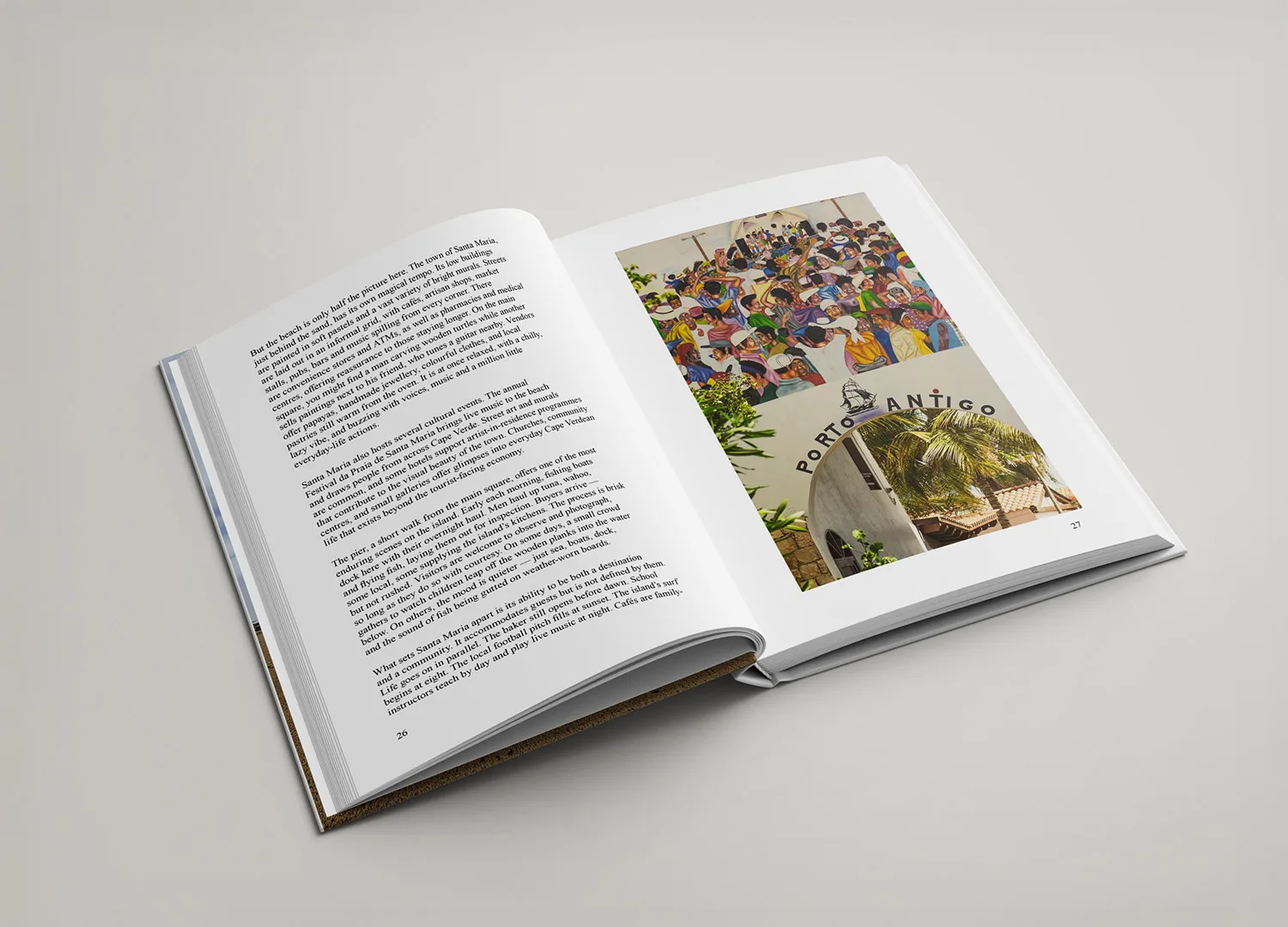
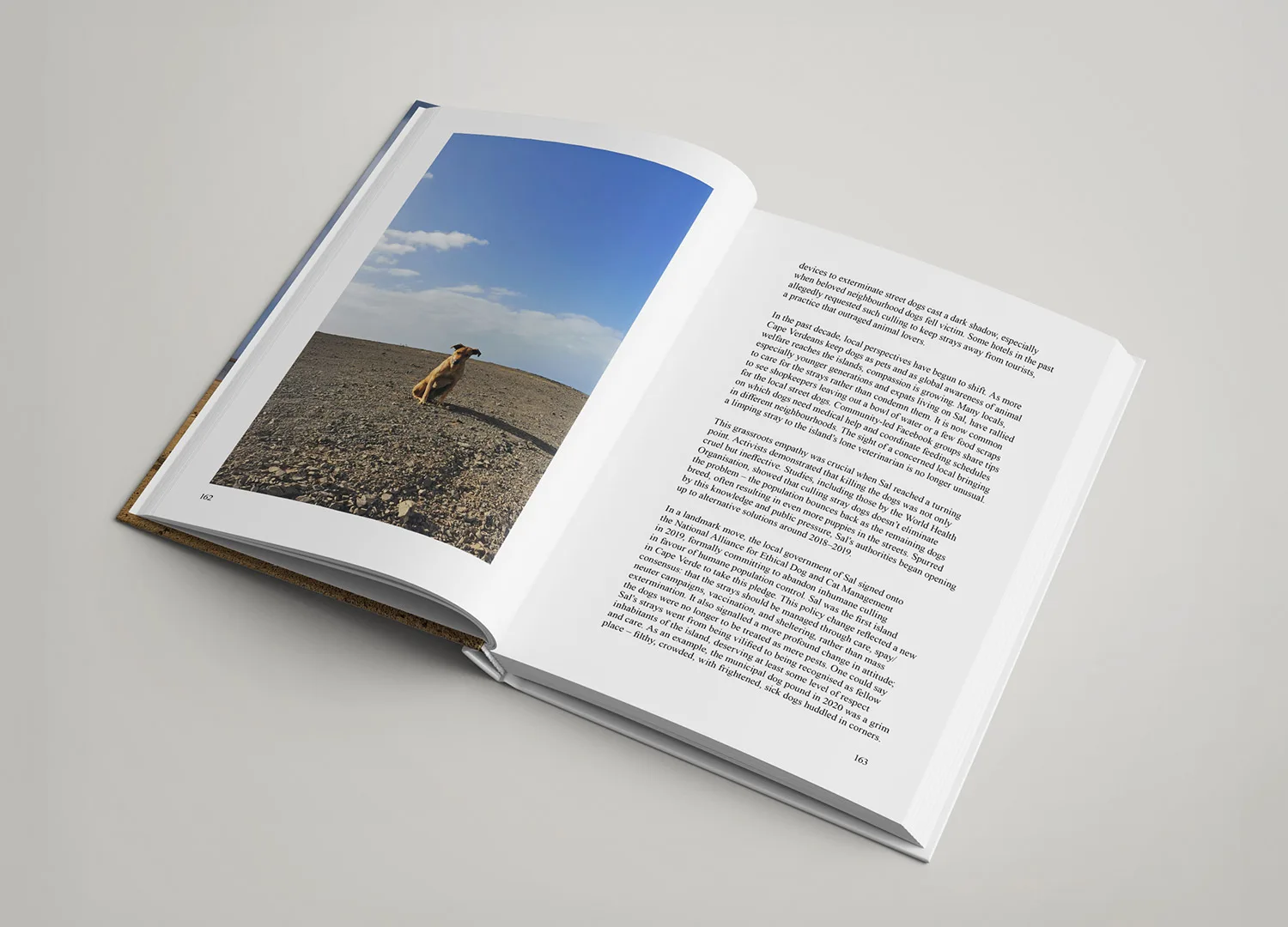
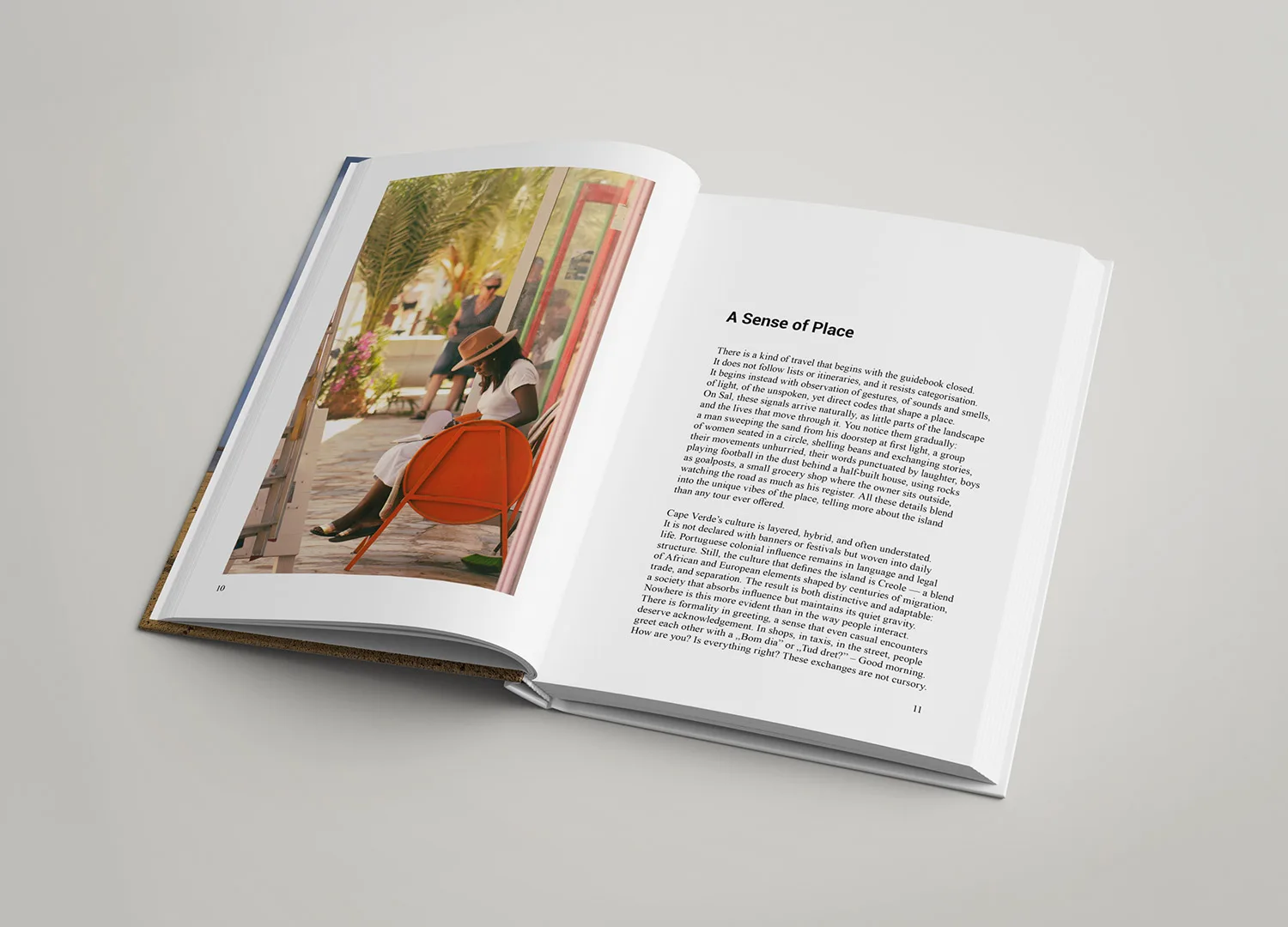
This book exists to fill that gap. It’s a 250-page illustrated travel guide written for people who want to move through the island independently — on foot, by aluguer, by quad, by whatever means they can arrange — and make their own decisions about where to go, what to eat, and how to spend their time. It’s not a marketing brochure, and it’s not a highlights reel. It’s a practical reference built to answer the kinds of questions that come up when you’re standing on an unfamiliar street in Espargos, trying to figure out how things work.
First-Hand Experience
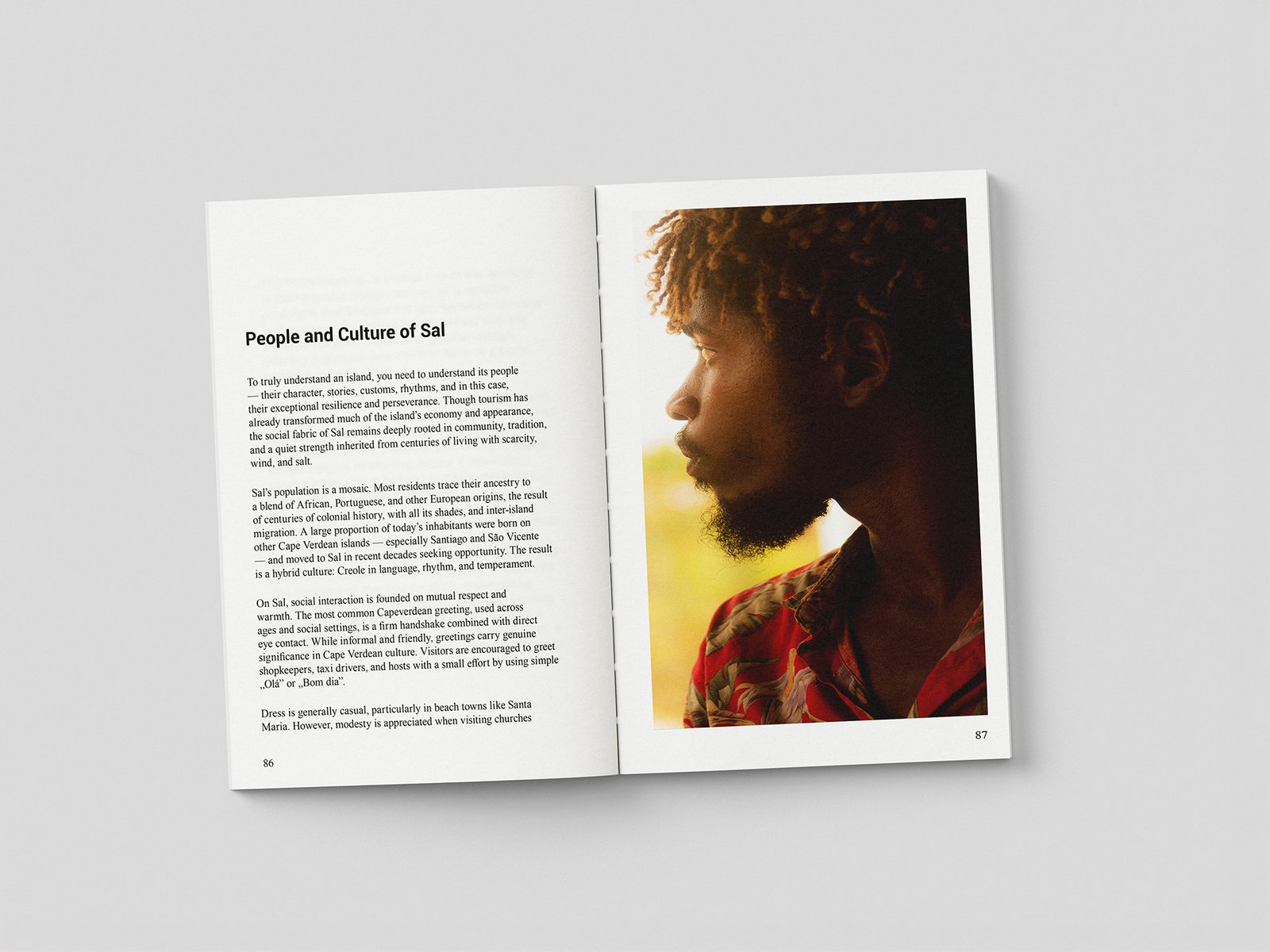
I wrote the book during and after a stay on Sal that lasted over a year. I wasn’t there on a research trip with a deadline. I was living on the island, which meant I had time to learn things slowly, through repetition and daily life rather than quick visits and scheduled interviews. A large part of what I know came from my Cape Verdean friends who were willing to explain their home, their customs, and their perspective on the place — the kind of knowledge that doesn’t show up in tourist brochures. It shows up in understanding which aluguer routes actually run on time, what to say and what not to say, how tipping works in different contexts, why certain beaches are empty at certain hours, and what “no stress” really means as a cultural attitude rather than a slogan.
Island's Main Attractions
Practical Information
History and culture
Photos
Publishing
I edited the book myself and self-published it through Amazon KDP in paperback, hardcover, and Kindle ebook. The entire project — research, writing, photography, editing, layout, and publication — was a solo effort from start to finish.
This is the guide I wished I’d had when I first arrived on Sal — honest, detailed, and grounded in lived experience rather than recycled travel copy. The island deserves that, and so do the people who take the trouble to visit it properly.