
Safe Haven
Safe Haven was a support programme for over one hundred Ukrainian refugees, written and designed in 2022 during the first year of the war in Ukraine.
In the spring of 2022, thousands of Ukrainian refugees were living in temporary shelters across Poland — overcrowded, windowless spaces without enough toilets or showers, where families spent months without privacy or rest. I wrote the Safe Haven programme proposal on the conviction that people who are already traumatised need and deserve more than being put in overcrowded shelters. They need and deserve conditions that let them get through trauma as softly as possible, recover, regain independence, and feel in charge of their own lives.
The first step in the project was to create a decent living space for each family, with adequate privacy and security. I targeted hotels placed in safe surroundings, that had many available apartments and could rent them out in part or in full for longer periods (minimum 3 months). Several places have expressed interest in collaborating, including a closed but well-maintained hotel in Lublin. The project also involved hiring sufficient staff to address the beneficiaries’ other needs: lawyers, psychologists, caterers, and Polish-language tutors. This way, Safe Haven could ensure that beneficiaries’ needs were met, so they could feel safe, cared for, and actively supported.
The program was selected and received significant funding from an international sponsor.
Beneficiaries
Safe Haven served two groups: people intending to settle in Poland, take up work, and become independent, and those waiting for the war to end so they could return home. From both groups, the priority went to the most vulnerable: mothers with many children, pregnant women, people with disabilities, and minorities. They were selected from the temporary shelters with the worst conditions — the most overcrowded, those without windows, without enough toilets and showers — where some families had been living for months.
Hotel
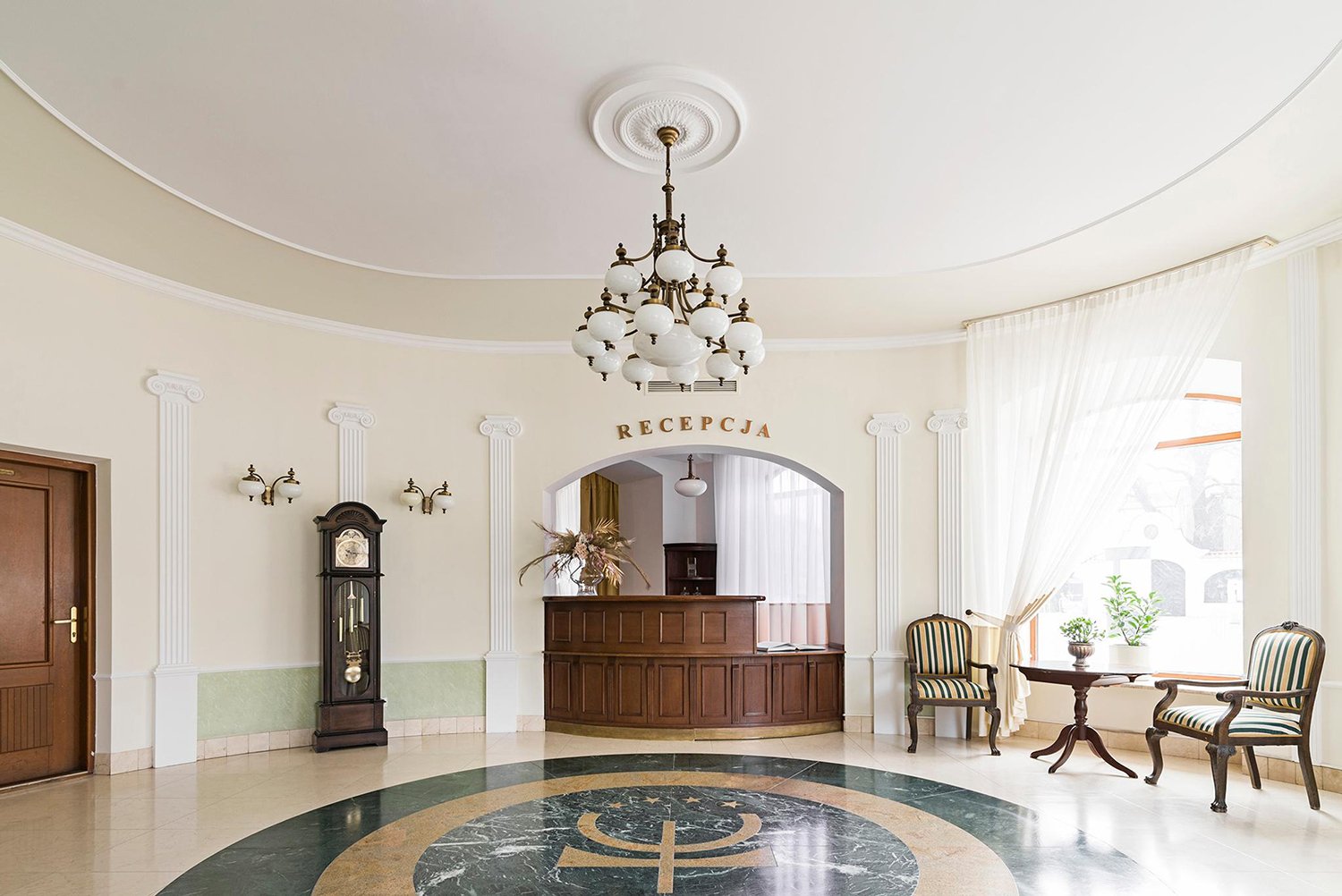
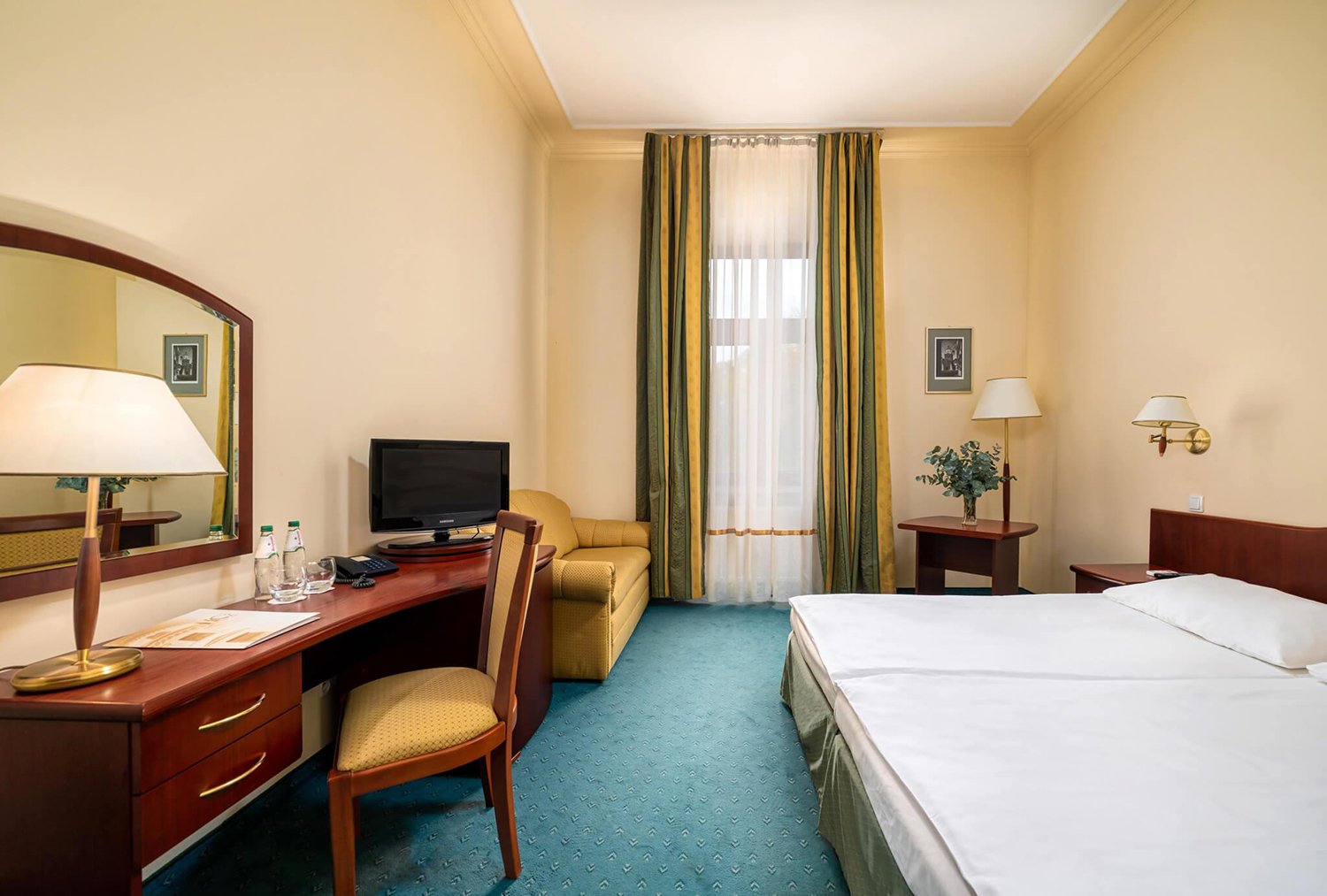
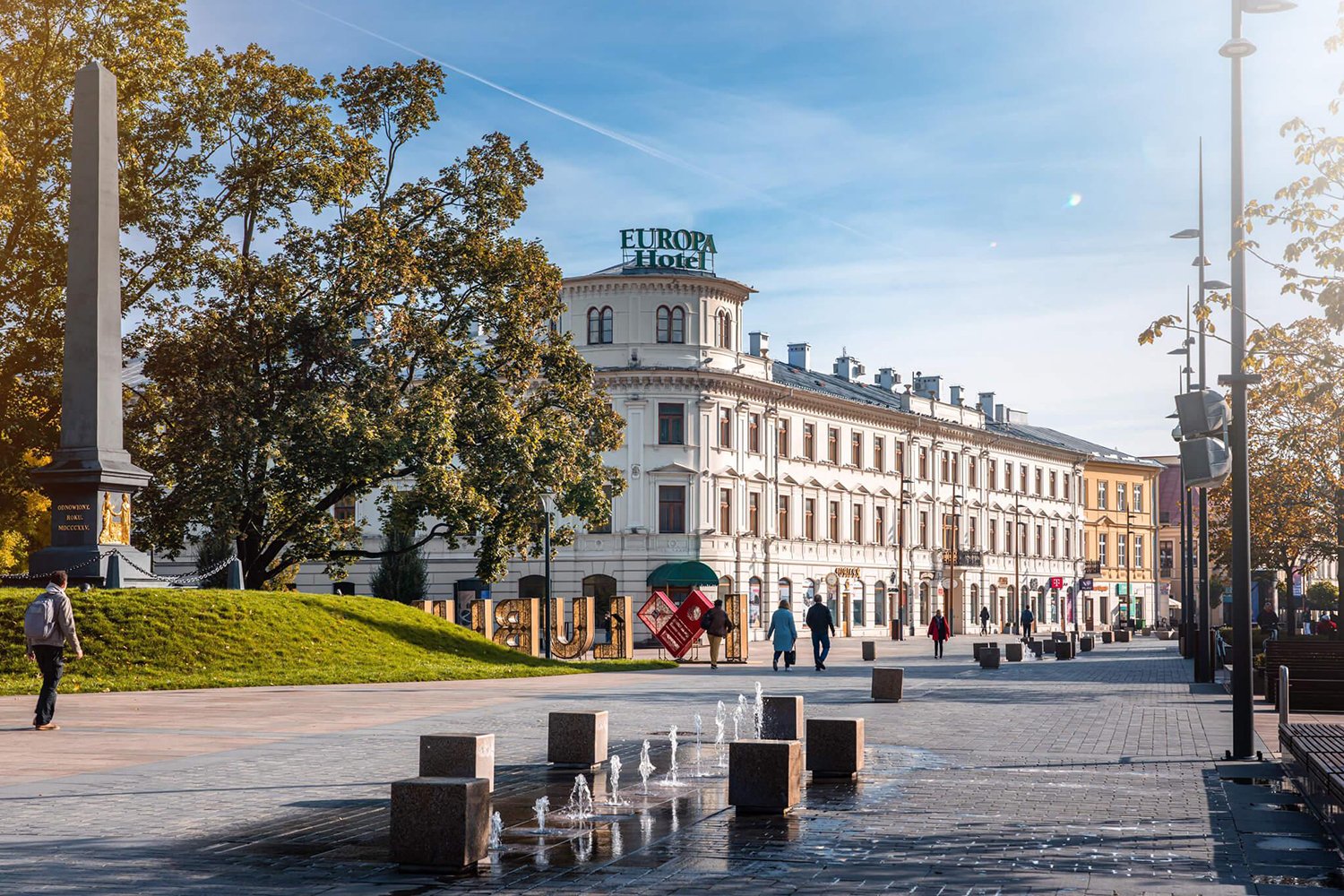
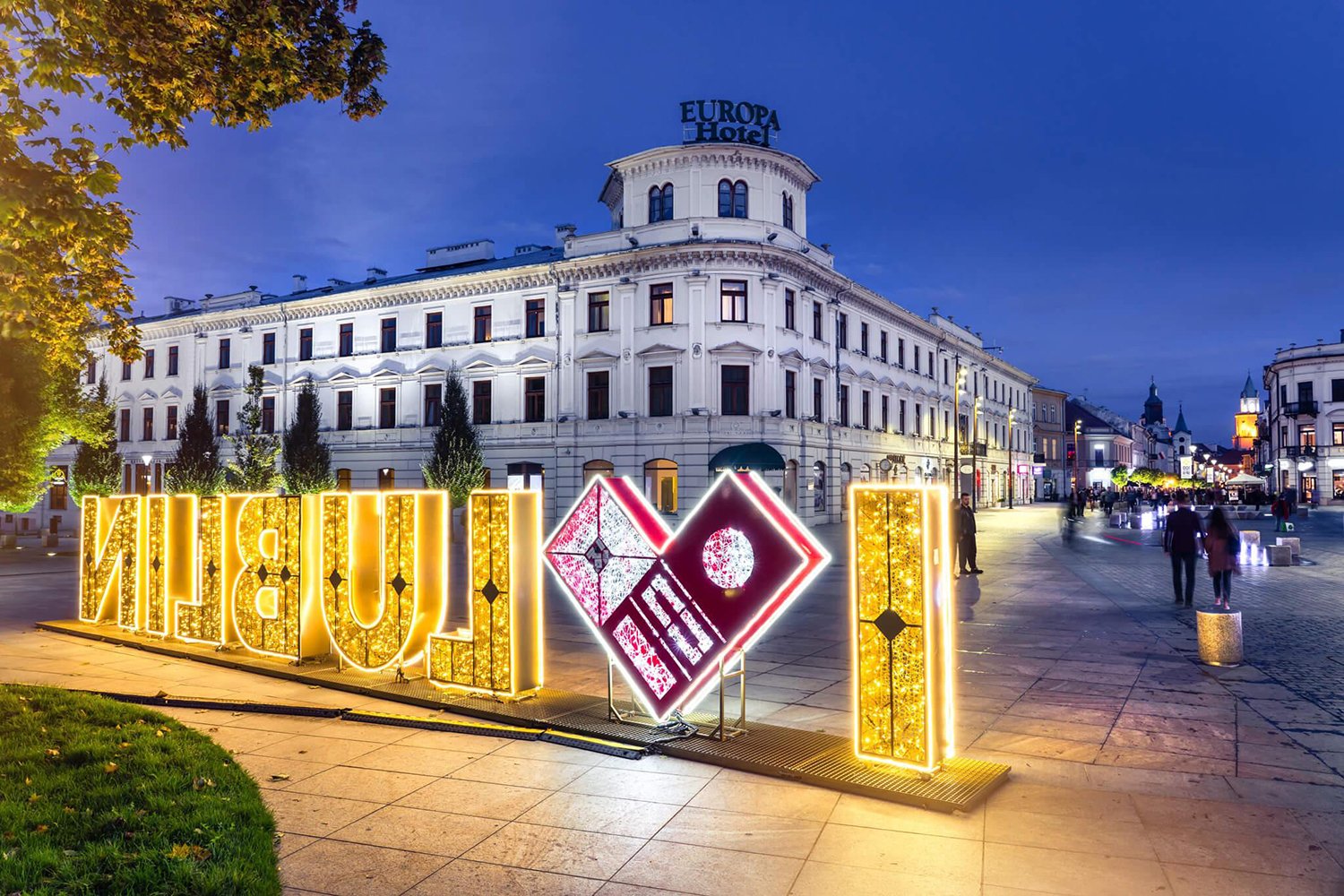
The project opened Hotel Palace Europa in the historic centre of Lublin. Each room was clean and fully equipped with 1-4 beds, a private bathroom, a desk, a television, air conditioning, heating, towels, a hairdryer, and a welcome cosmetics kit. Not luxuries but the dignity of a proper living space. Free Wi-Fi was available throughout the hotel. Two common rooms were converted into classrooms for online learning. A dedicated day room and a children’s room with toys, blankets, and drawing materials gave families space to breathe.
Programme
Safe Haven provided three meals a day (taking into account special dietary needs), proper psychological support, Polish-language classes, assistance with all legal formalities, help in finding a job and schooling for children.
The goal was not just to shelter but to build a functioning community: one place with a shared language, culture, similar experiences and difficulties, and, as a result, mutual support, acceptance and understanding — that could hold people nicely, help them regain hope and move forward.

City
Placement in the city centre was a deliberate choice. Lublin offered direct access to hospitals, clinics, schools, police stations, crisis intervention centres, NGOs, children’s care centres, and public transport. People could move independently, access services in multiple languages, connect with other Ukrainian communities in the neighbourhood, and travel easily to other Polish cities and abroad through Lublin’s good bus, train, and airport connections.
The alternative — a rural location — would have been cheaper but would have isolated an already vulnerable group from the services and independence they needed.
Selection criteria for the accommodation
The hotel was not chosen at random. The project defined specific criteria:
- High accommodation standards at a negotiable price — because people who have already suffered deserve decent living conditions, not the minimum.
- A high number of rooms in one place — to create a community where people could support each other, communicate in their native language, and feel more secure among people with a shared culture and experience.
- Full board — three meals a day, so that no one had to worry about feeding themselves or their children.
- Professional security services — essential when the group includes mothers with young children, people with disabilities, and minorities.
- City centre over countryside — to ensure access to support, education, employment, and independence.
Transport
Transport from shelters to the hotel was organised by small buses and private cars rather than large coaches. This was a more expensive choice, but it avoided gathering a large group of vulnerable people in a stressful pickup situation and gave families a quieter, safer, more private journey from shelters (often distanced) to the hotel.
Local support network
The project mapped and connected with existing organisations in Lublin to provide a support network, including Lublin’s Social Aid Committee for Ukraine, Caritas Lublin, the Polish Red Cross, St. Albert’s Brotherhood of Mercy, the “For Earth” Association, the Akcent Eastern Cultural Foundation, the Volunteer Center Association, and multiple municipal institutions including crisis intervention centres, children’s care centres, and helplines.
Credits
I wrote the project, designed its structure, and later worked on its implementation under three organisations: Sailors Without Borders (international), Other Space Foundation (Poland) and Cesvi Fondazione (Italy). The project was funded by Brembo through Cesvi Fondazione. All actions were actively supported by the International Diplomatic Alliance (international).