Gallery Everywhere
“I cross out words so you will see them more; the fact that they are obscured makes you want to read them.” — Jean-Michel Basquiat
Look at a city wall. Layers of posters, old and new, edges curling, rain-stained, half-torn. Stickers accumulating like barnacles. A mural — someone’s careful work — now tagged over, tagged again, the tags themselves fading under newer marks. Text everywhere: names, slogans, declarations, jokes, warnings. Spray paint over wheat paste over paint over concrete. This is a palimpsest. A manuscript written, scraped, written again. Except no one scrapes here. They just keep adding. Layer buries layer. Yesterday’s statement becomes today’s background texture. Most people call this a mess. Vandalism. Neglect. Something to clean up, paint over, regulate away. I call it a gallery.
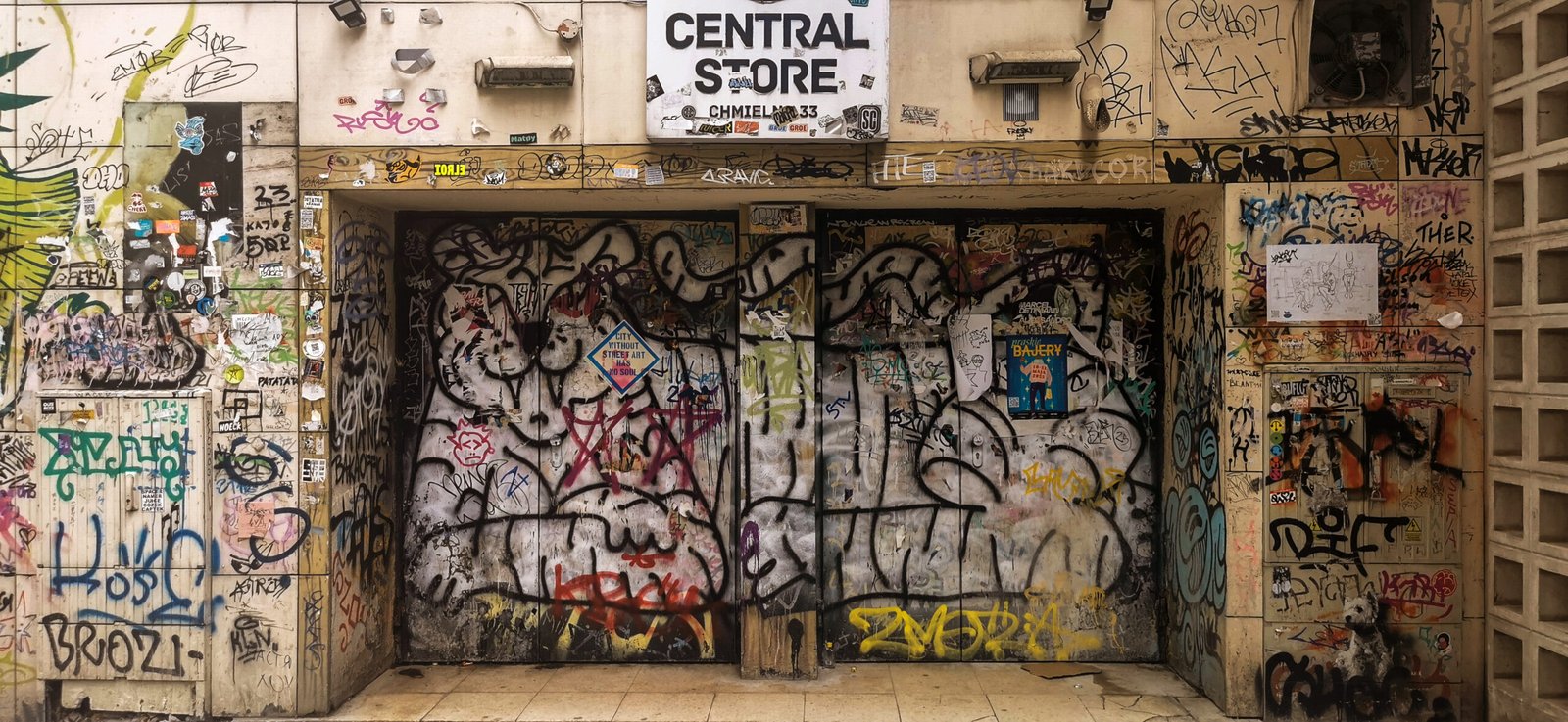
Not a gallery with white walls and controlled lighting. Not a gallery where work is selected, framed, and explained. This is something else: an exhibition that breathes. It evolves. It regenerates. Weather strips away a poster, revealing ghost images beneath. New tags claim territory over faded murals. Someone pastes a face over a slogan. The slogan bleeds through anyway. What emerges is a creature of pure artistic instinct. A shapeshifter. Society brands it as destruction. But destruction and creation have always shared a border, and on these walls, that border dissolves.
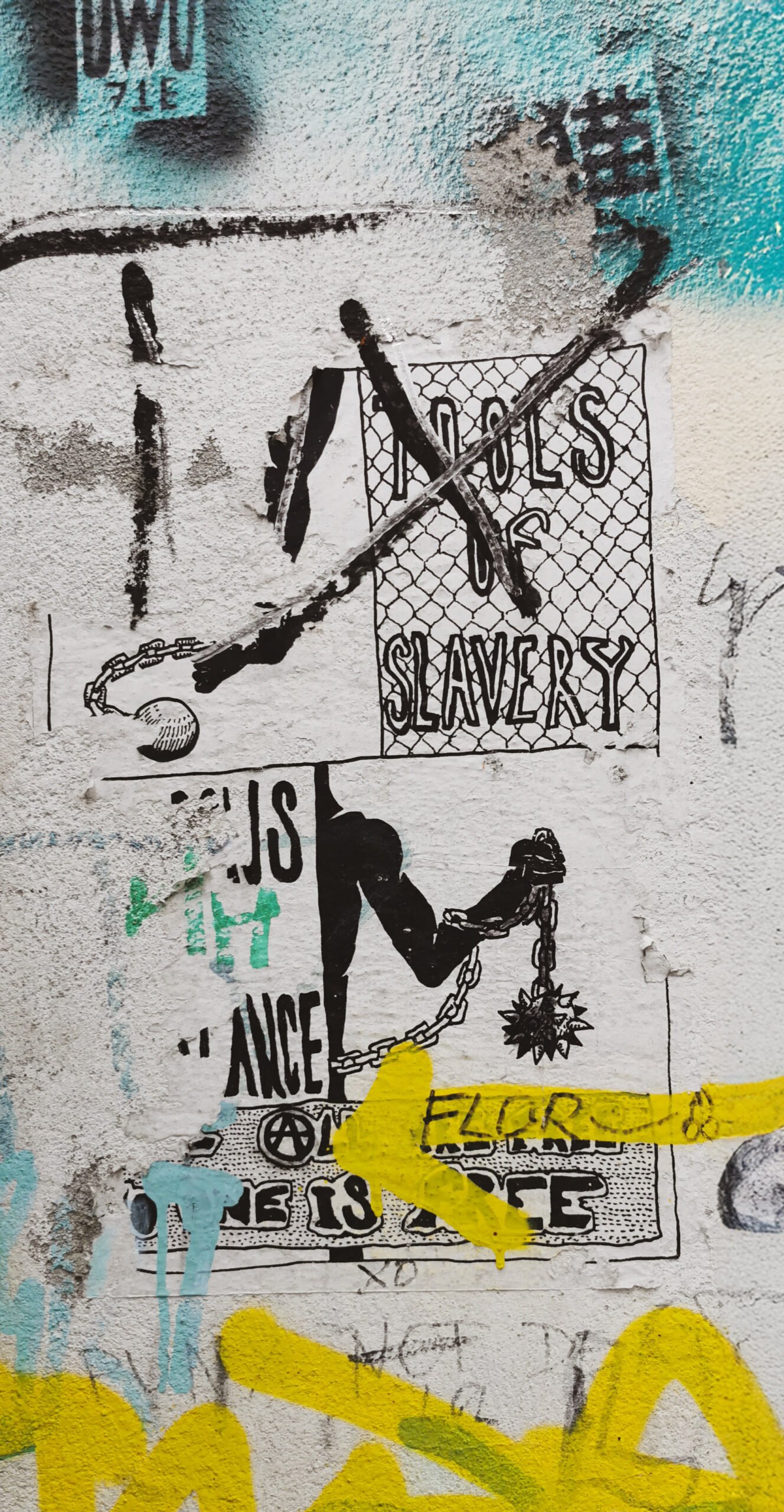
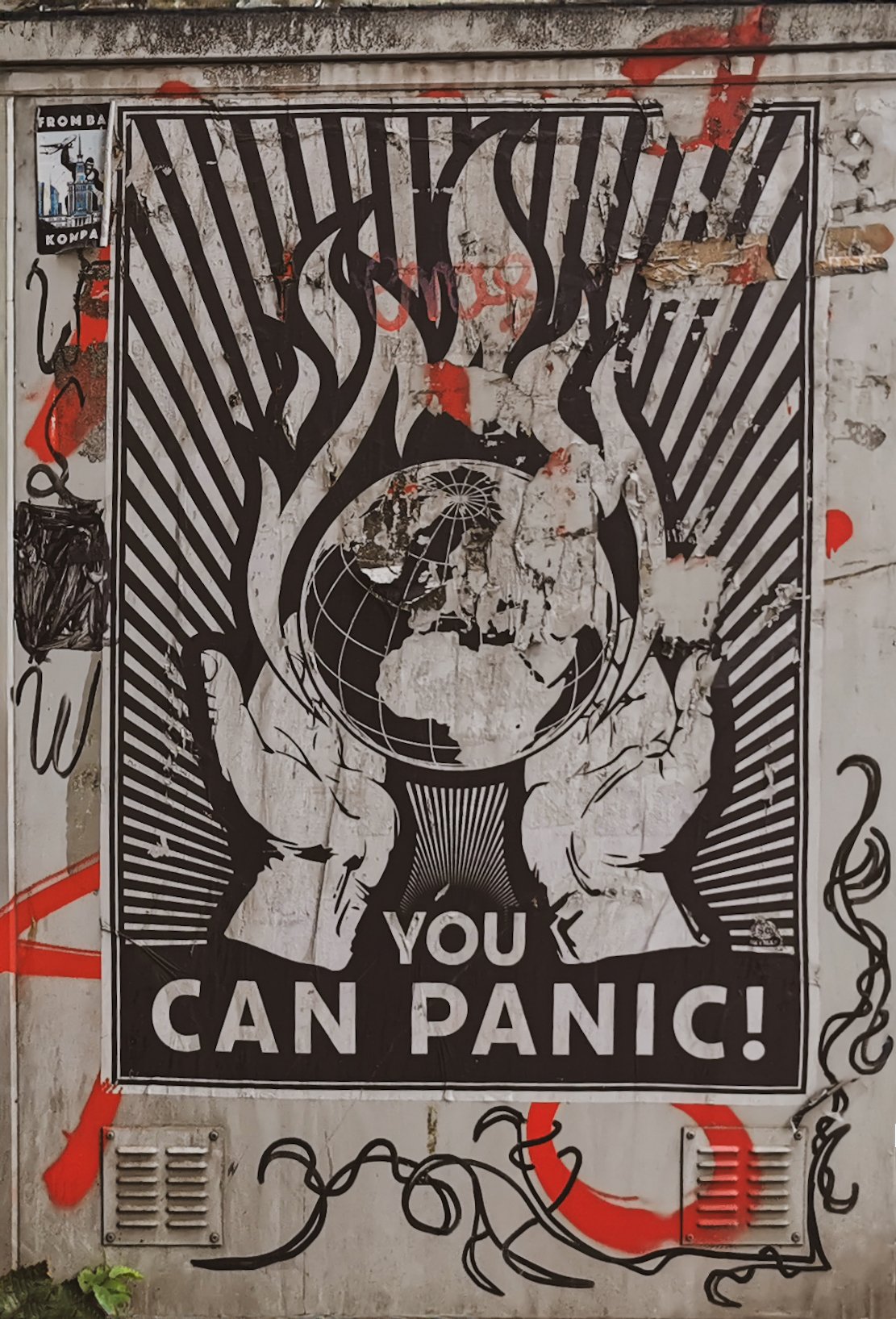
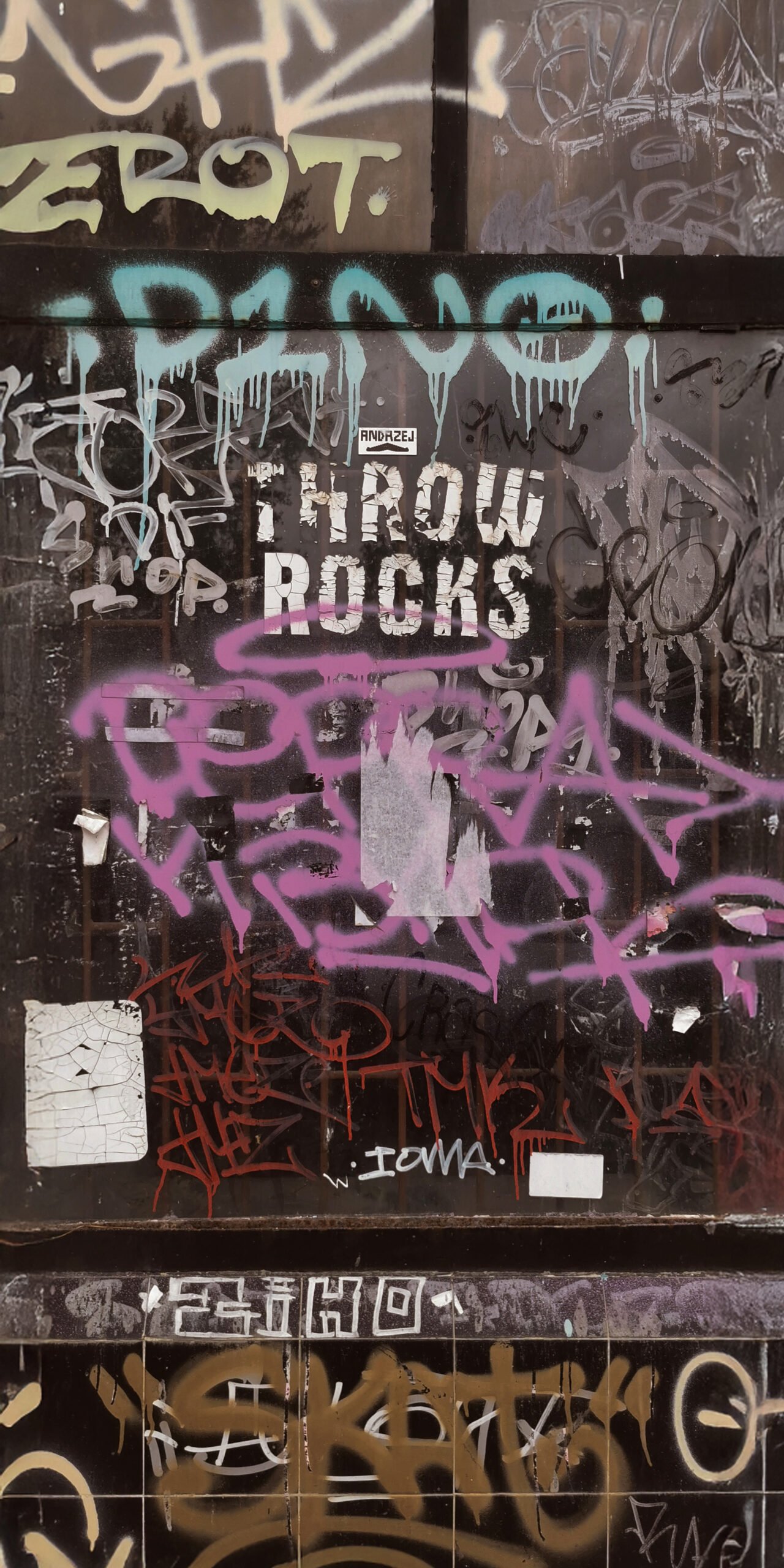
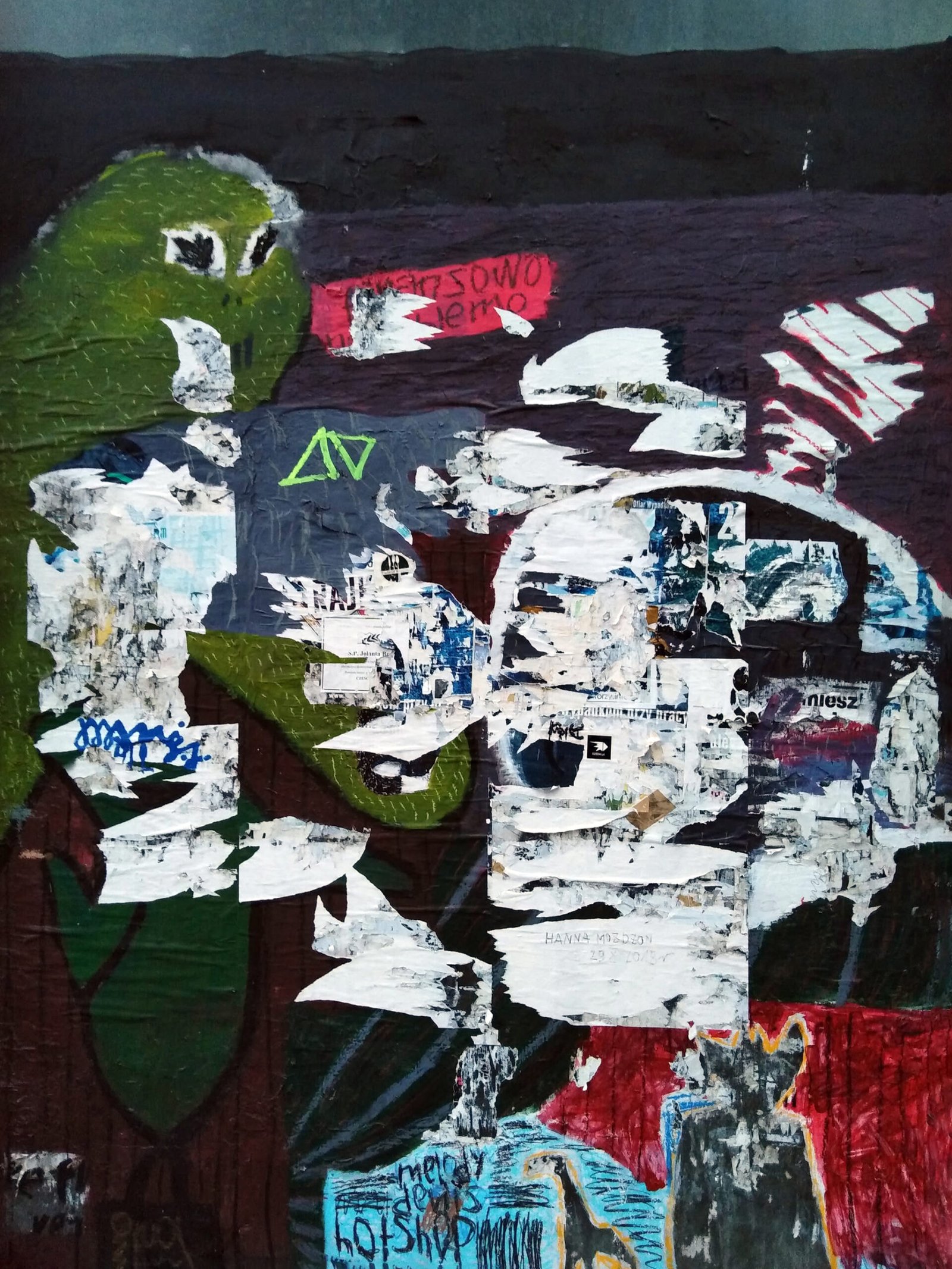
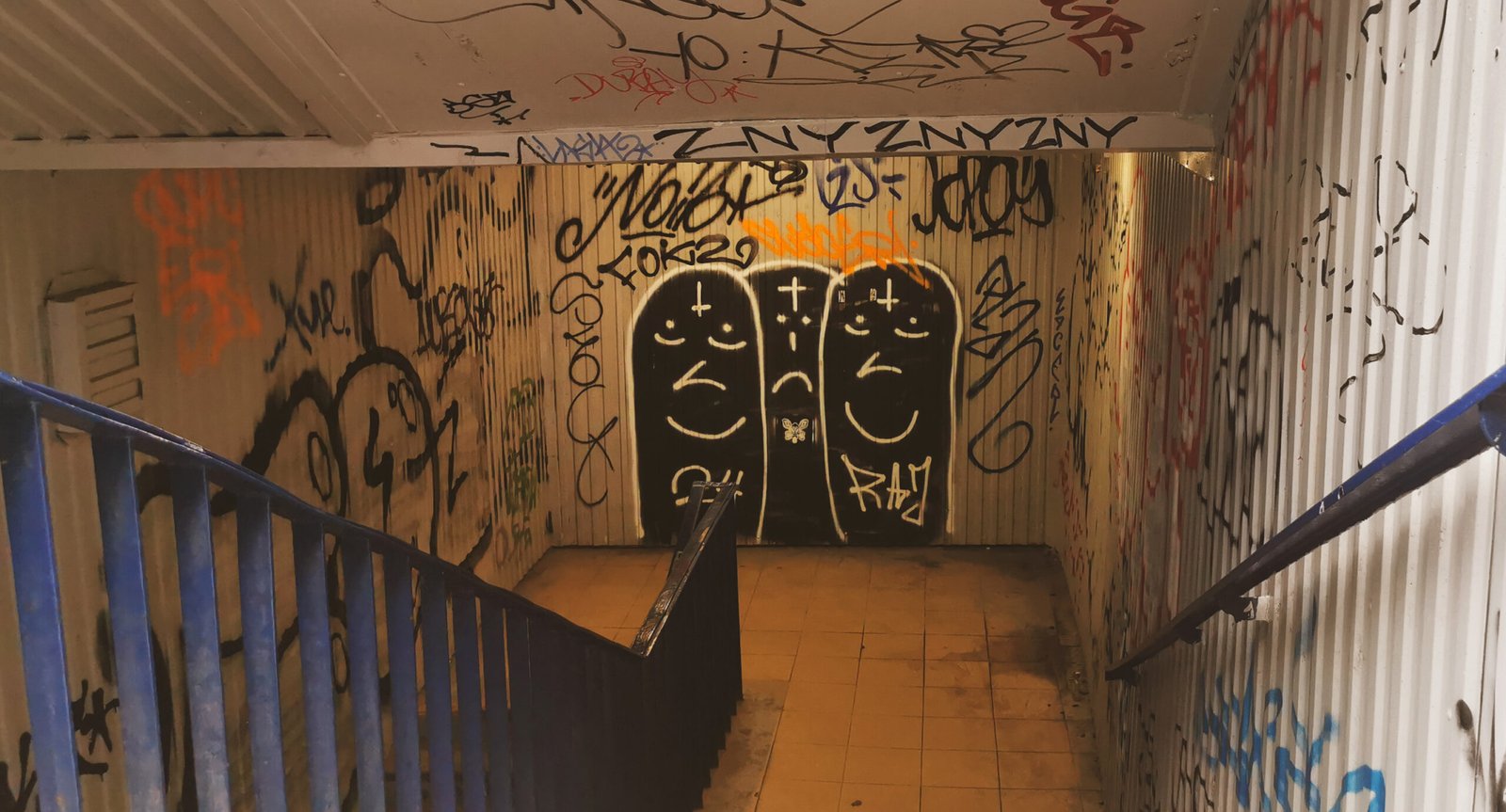
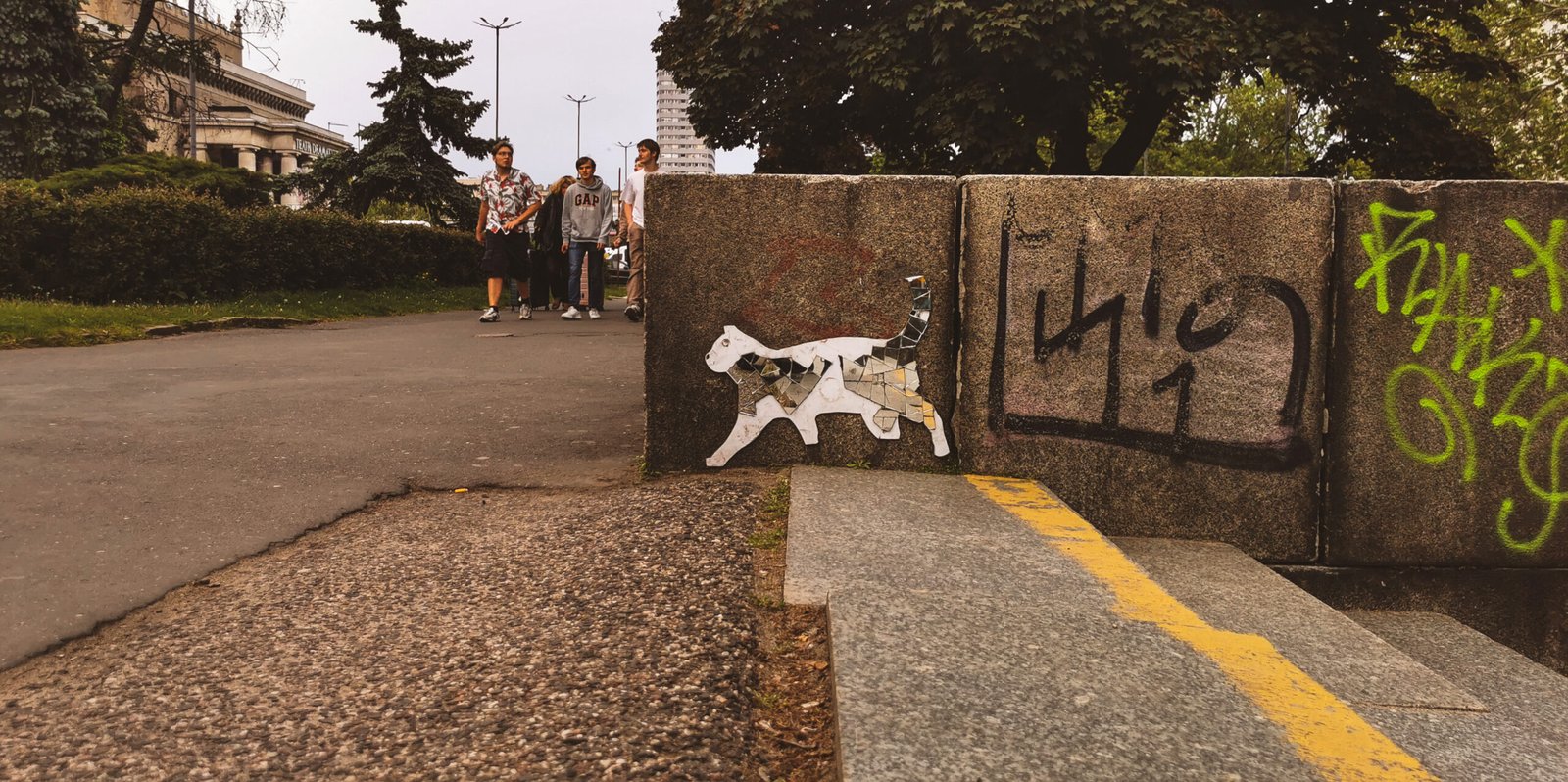
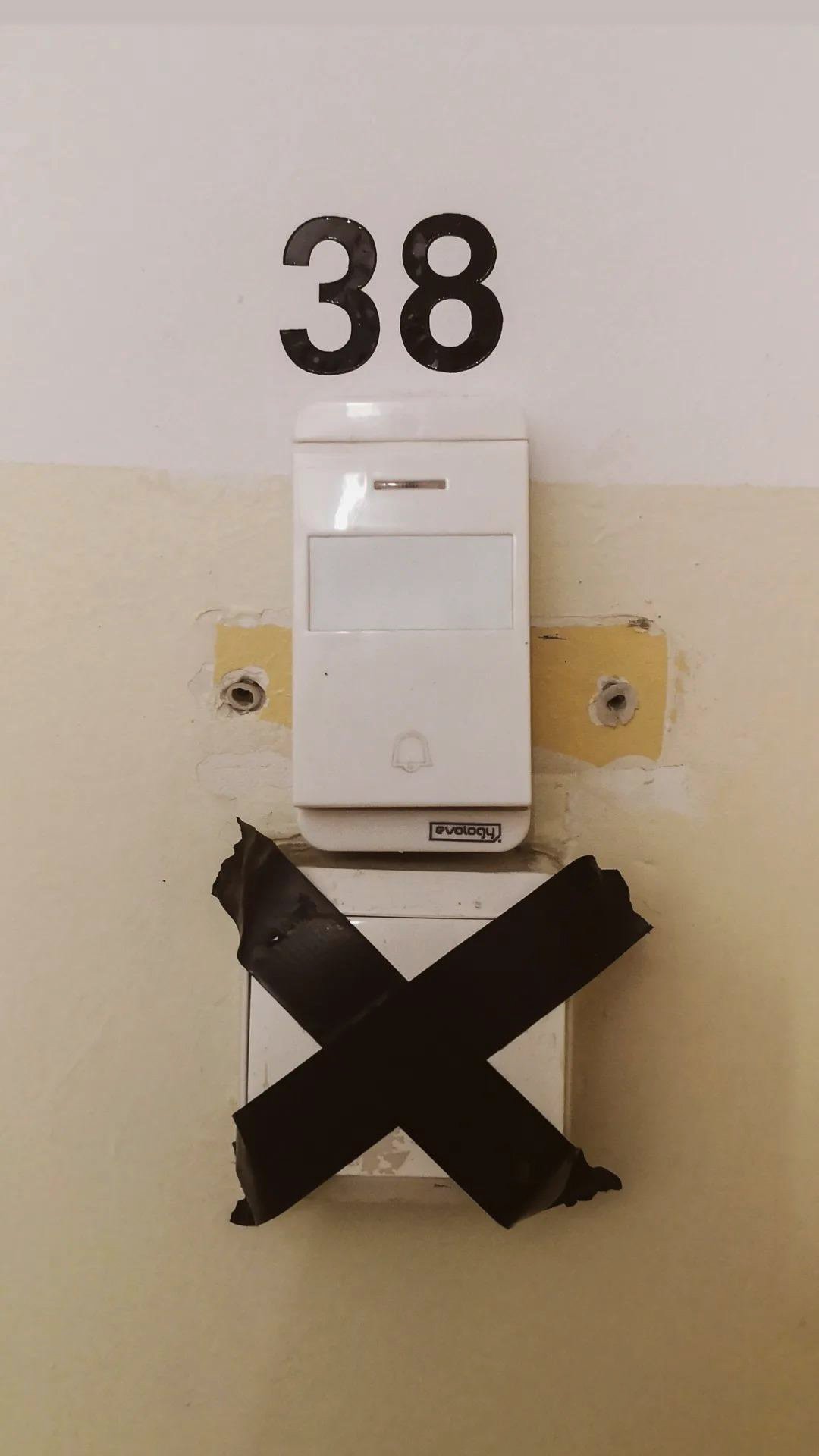
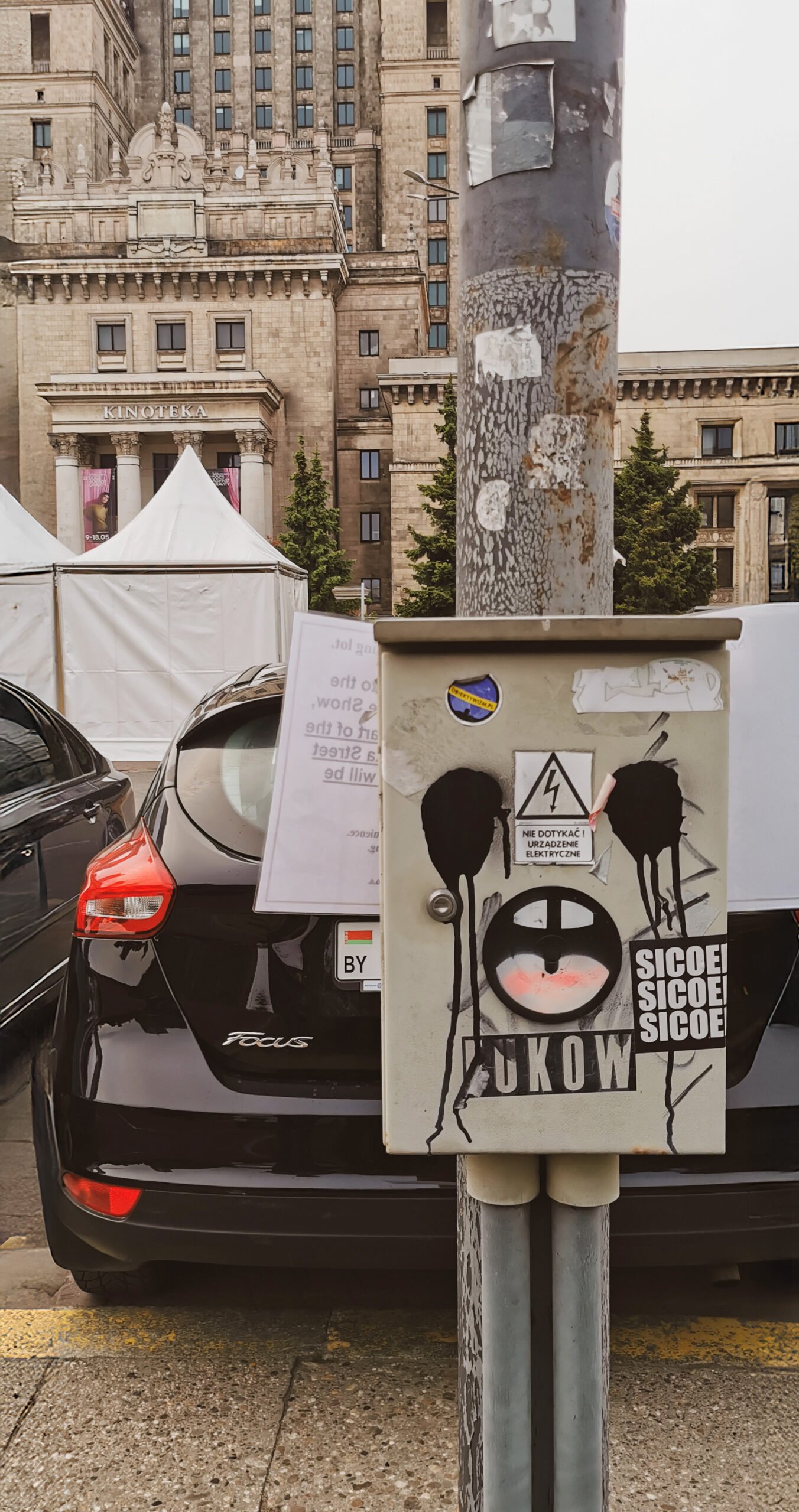
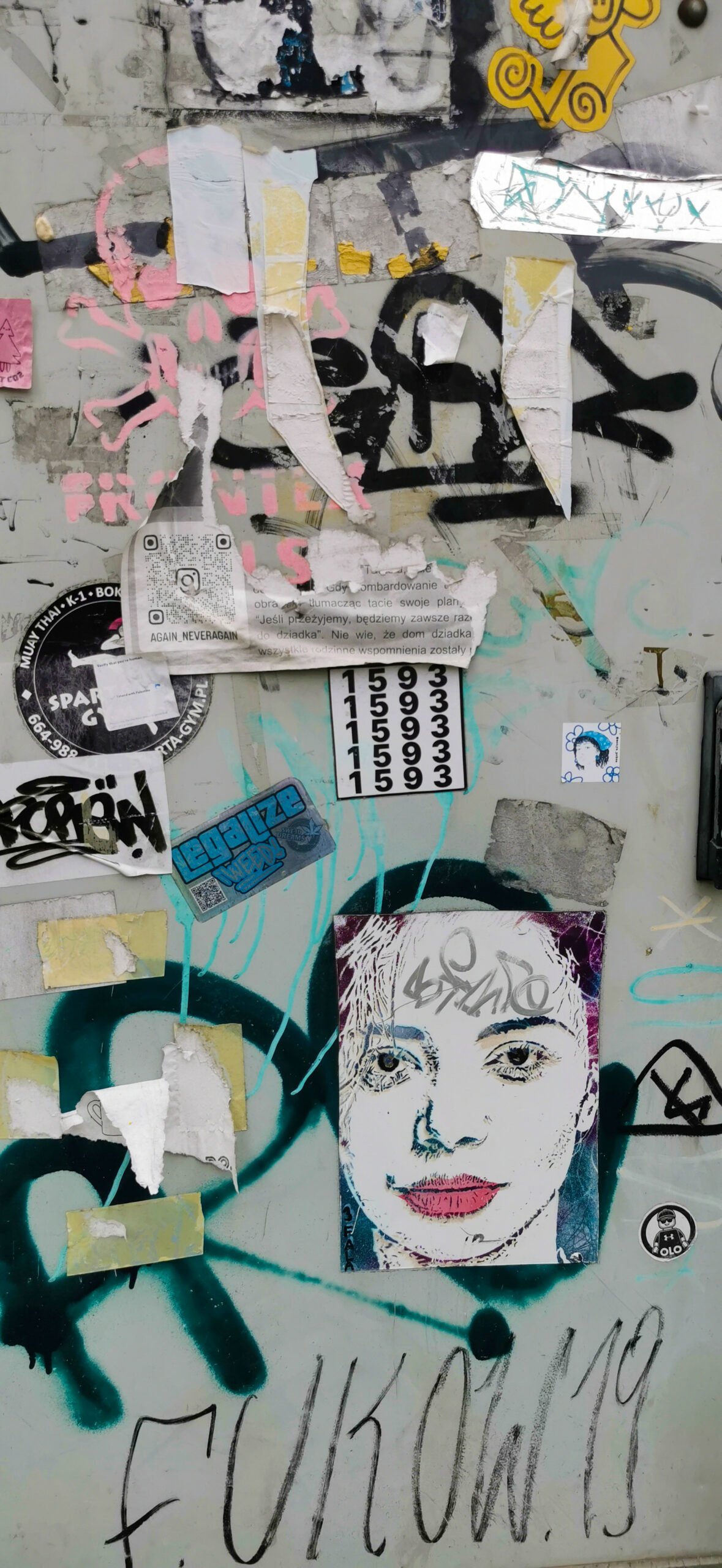
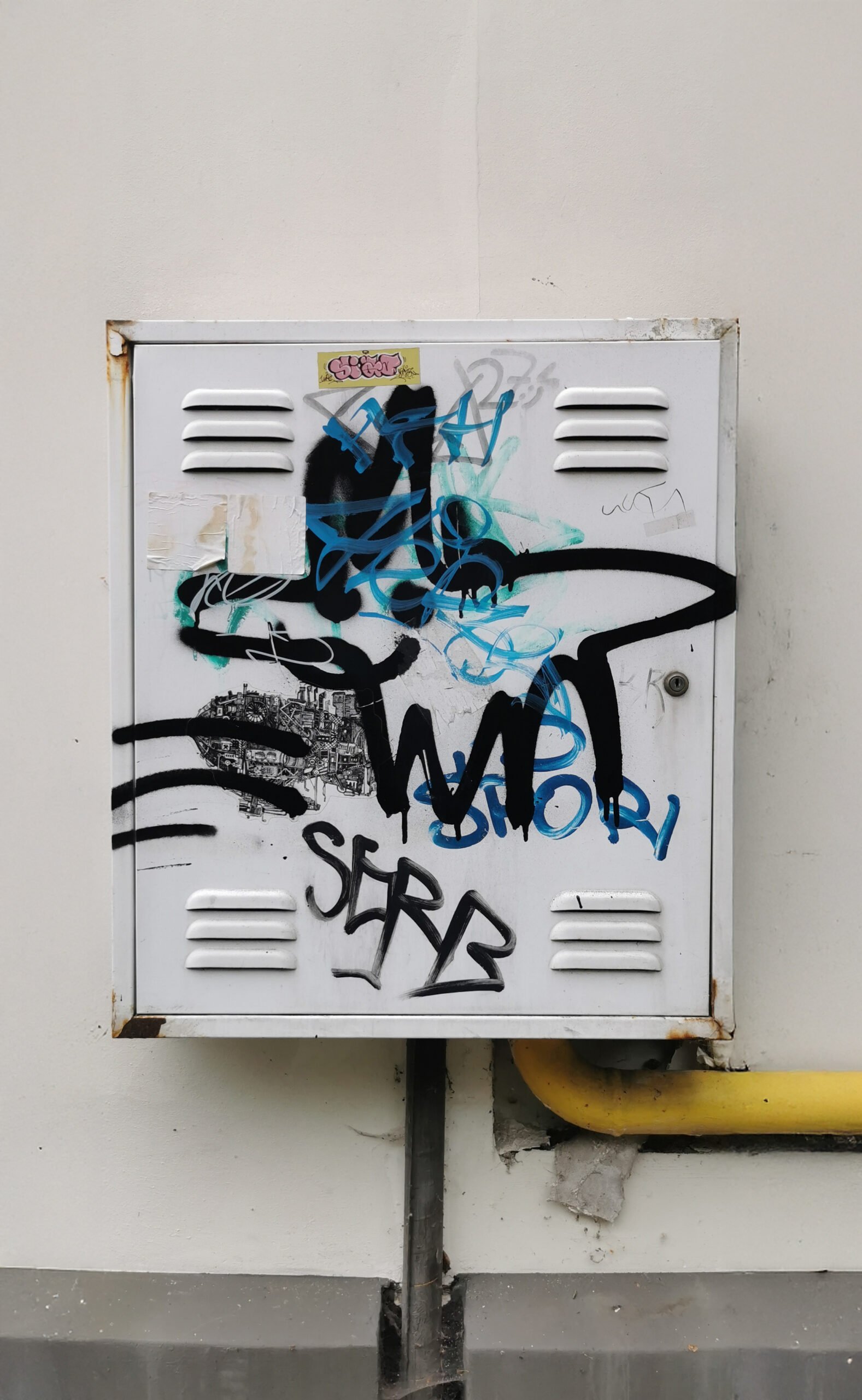
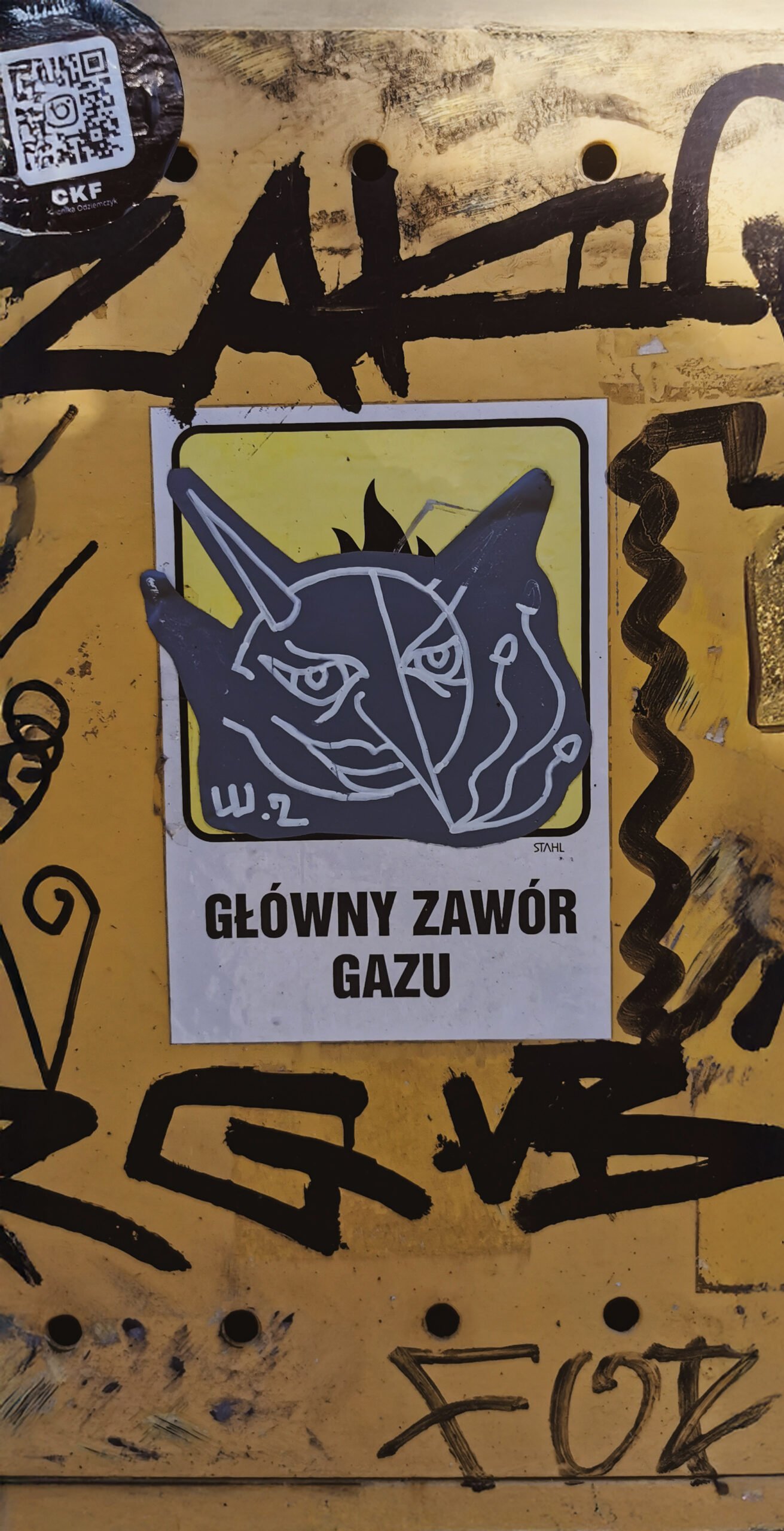
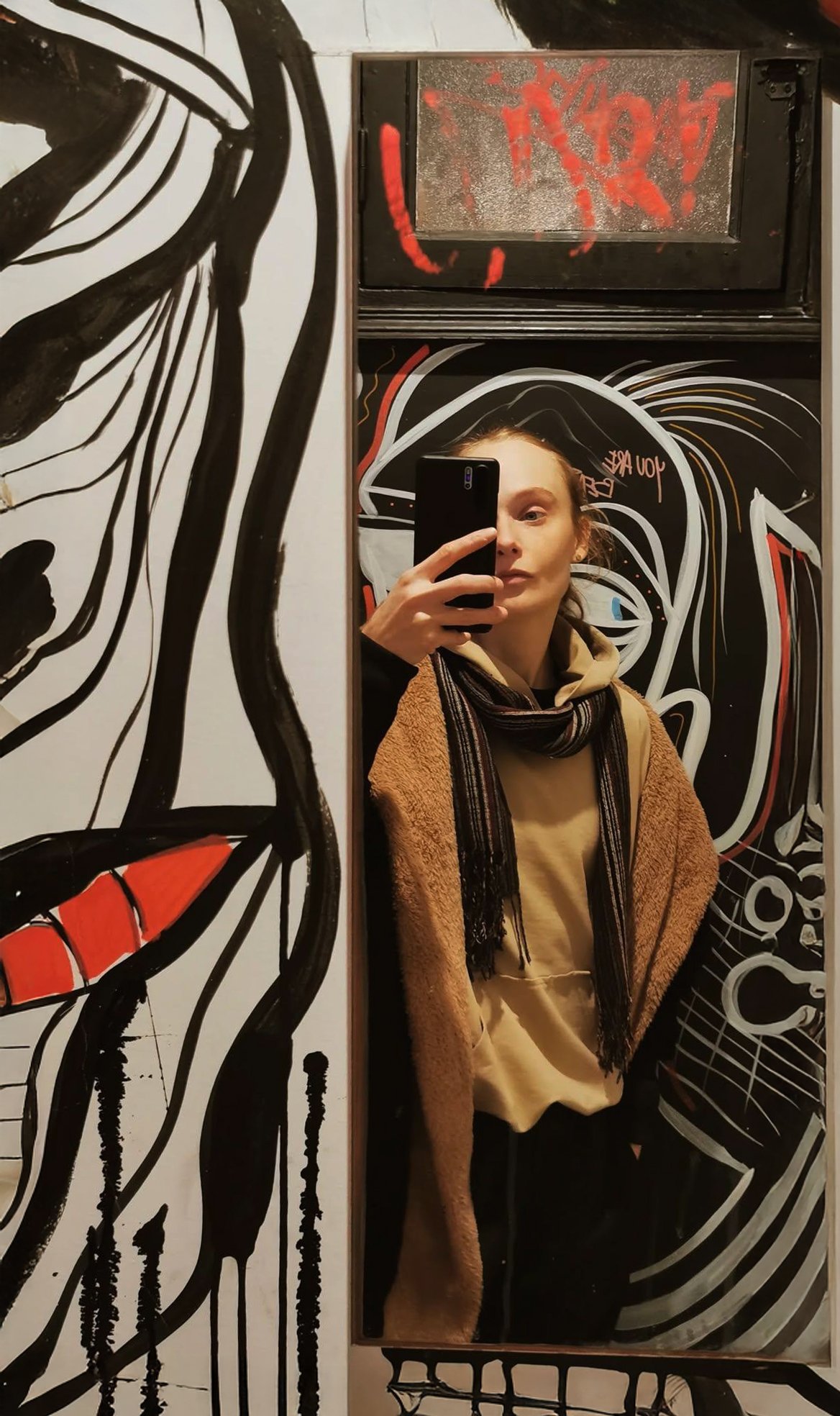
The curated gallery asks you to look. The street wall doesn’t ask. It ambushes. It accumulates. It couldn’t care less whether you stop or keep walking. And yet — how captivating this chaos becomes when you do pause. Weathered electrical boxes. Scarred fence panels. Concrete pillars are tagged so many times that the surface has its own topography. Each frame captures the collision of countless voices. Unplanned composition. Accidental harmony. Intentional disruption. Beauty that didn’t ask permission. Basquiat understood this. He crossed out words to make you see them. The walls do the same thing — burying images to make them visible, obscuring messages to make them loud.
Art escapes the boundaries of acceptability and finds its way onto the raw skin of the city. It always has. It always will.
The question isn’t whether this is art.
The question is whether you see it.