
The Fourth Leaf
A Closer Look at Luck
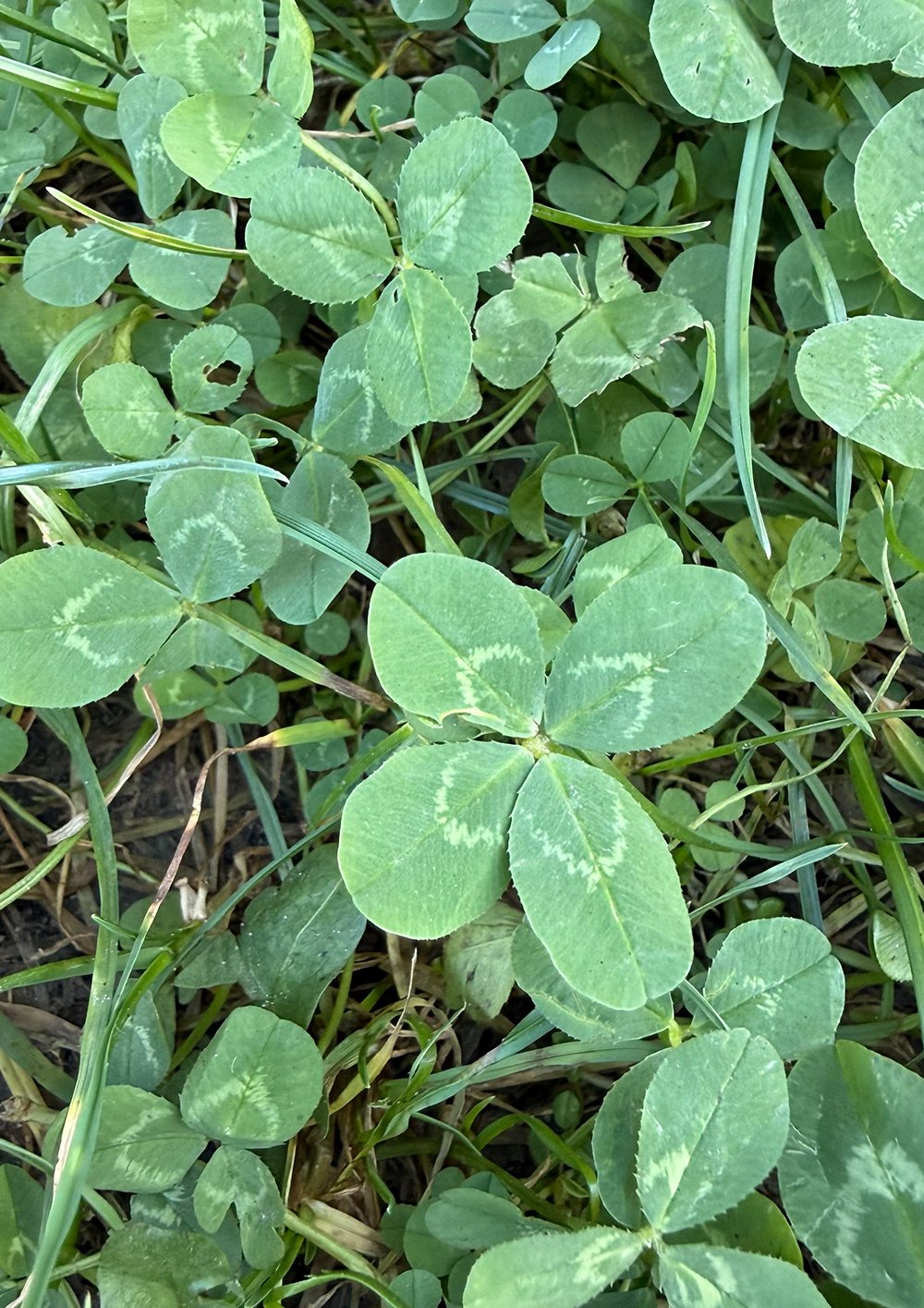
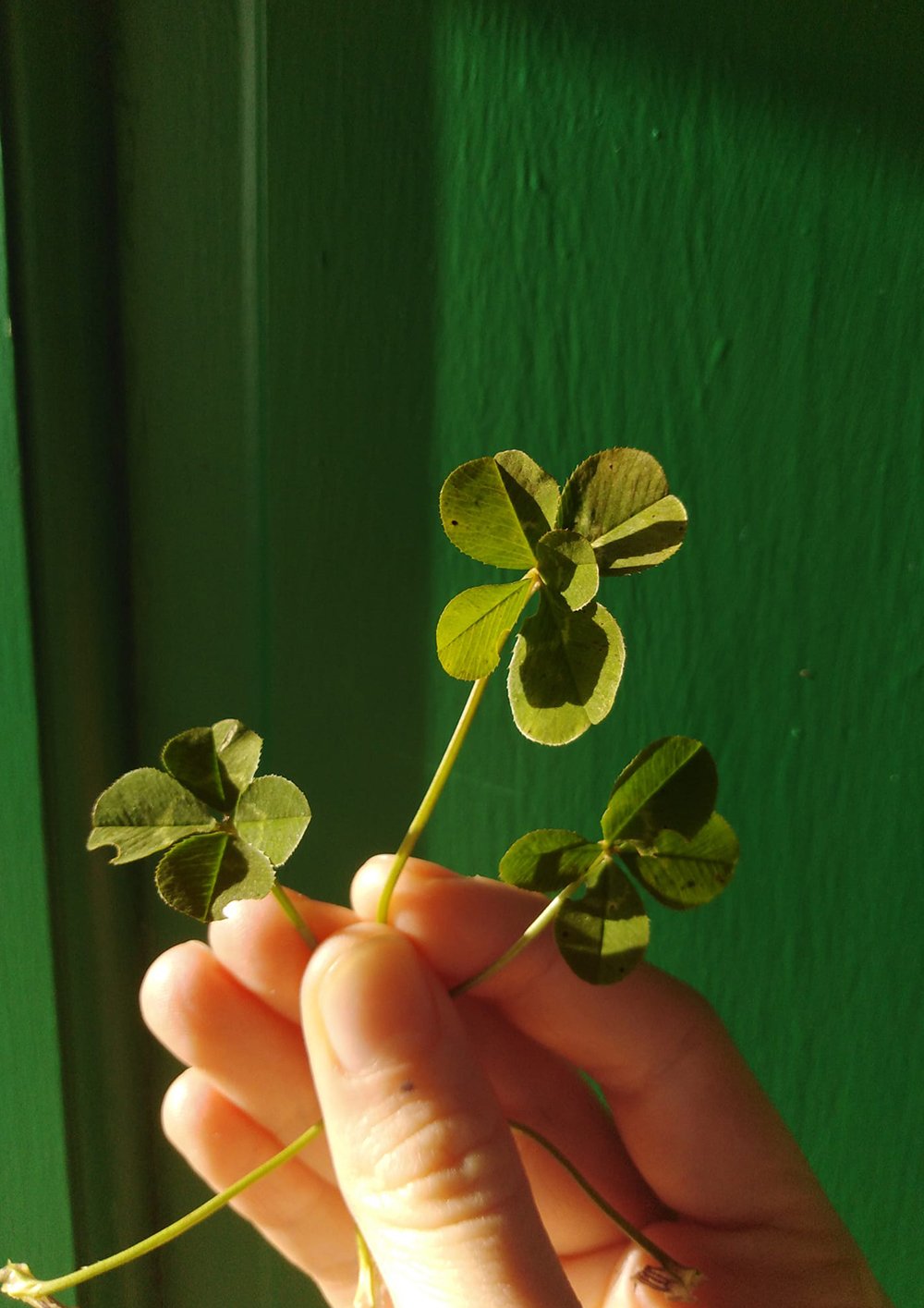
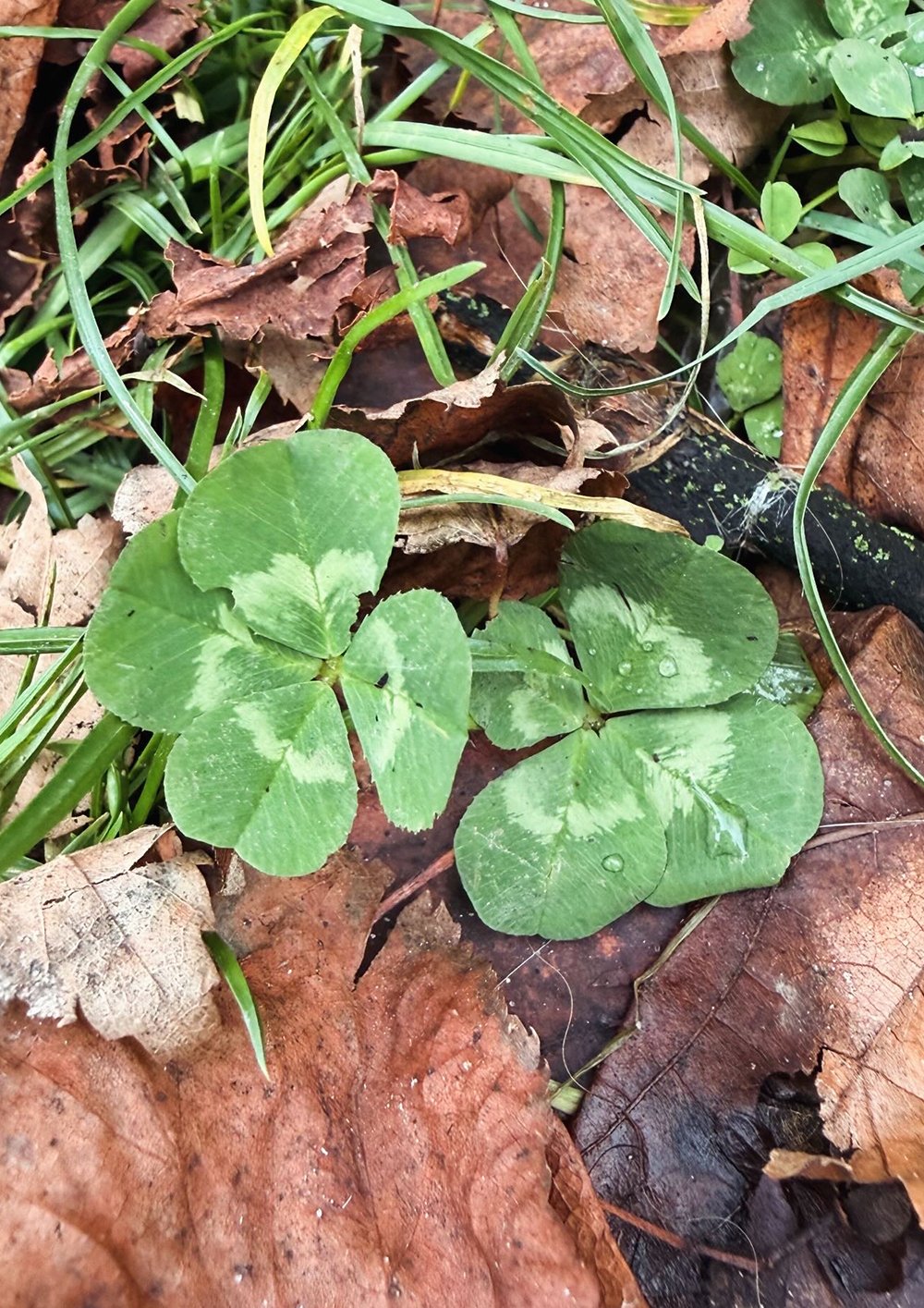
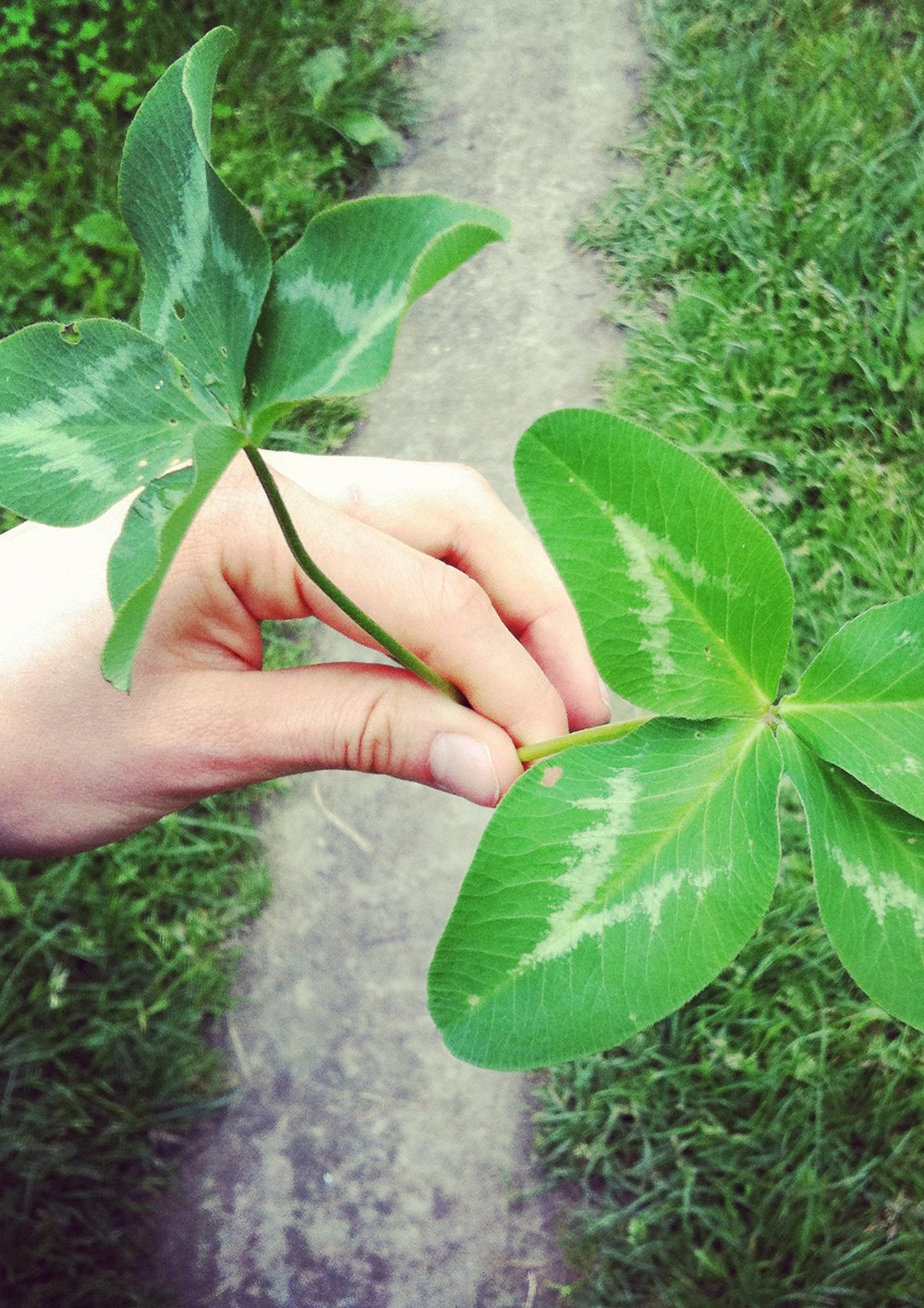
I’ve been finding four-leaf clovers since I was five. Not occasionally. Regularly. My friends at school called me “lucky elf” because I kept handing them clovers. I found them on the way to school and in the garden. I found them in parking lots, near garages, in city centres and in the fields. I found four-leaf clovers, five-leaf clovers, six-leaf clovers. But.
In some patches, I’d find many in minutes. In others, none at all. At my grandmother’s place, deep in the forest, far from the city, finding one was a challenge. I could spend a whole afternoon looking and come back with none. This made no sense to me. Why did my grandmother’s meadow produce no luck at all? The places where I found the most “lucky” clovers were never the nicest nor healthiest. Roadsides. Industrial edges. Polluted urban soil.
So a question arose in my mind.
What if a four-leaf clover isn’t lucky?
And instantly changed into:
What if it is a warning sign?
I opened a botanical book and read. White clover (Trifolium repens) is characteristically trifoliate. Three leaves form through a tightly regulated developmental process controlled by interacting genetic pathways during early leaf growth. Every clover carries four sets of chromosomes — which is twice as many as we do — derived from two “ancestral species”, its botanical parents. This built-in backup provides the clover with useful developmental flexibility — if harmful mutations occur, duplicate genes buffer them, leaving extra space for their expression. This lets the plant look “luckier” without causing serious trouble.
Clover’s leaflet number is determined very early. Its inner architects — the growth tissues — establish how many leaflets the plant will form, before the clover even shows up. Under normal conditions, they reliably decide to produce three. A fourth leaf comes when something shifts the process — it can be a recessive genetic expression that shows, or a mutation that abruptly changes the structural plan, or an altered gene triggered by environmental pressure. The four-leaf clover, in a botanical sense, is far from being a miracle. It’s a developmental deviation with concrete causes. No lore. But rare.
How rare is rare? The commonly cited “one four-leaf clover in every 10,000” is cultural folklore, not data. In reality, observed frequencies vary so much that I couldn’t find a general range in any book.
There is a reason behind it. Clovers grow in clusters. If extra leaflets were purely random genetic events, they would be observed more evenly, with clearer numbers and a range. But white clover spreads through stolons — horizontal stems that branch from the plant and creep along the soil surface, almost invisible from under the grass. They have many nodes, and from each they produce new shoots and roots. That way, a single clover plant can generate a dense mat of interconnected clones that depend on one another and share resources through their hidden network. Over time, the original root dies, and the younger stolons that grew on it take over — each node becoming a potentially independent plant. They stay connected for some time, but the network fragments further, forcing the parts to finally live on their own.
A patch of clovers in a lawn may look like dozens of individual plants, and many people see it as such. But very often it is one big living thing — or a group of close relatives.
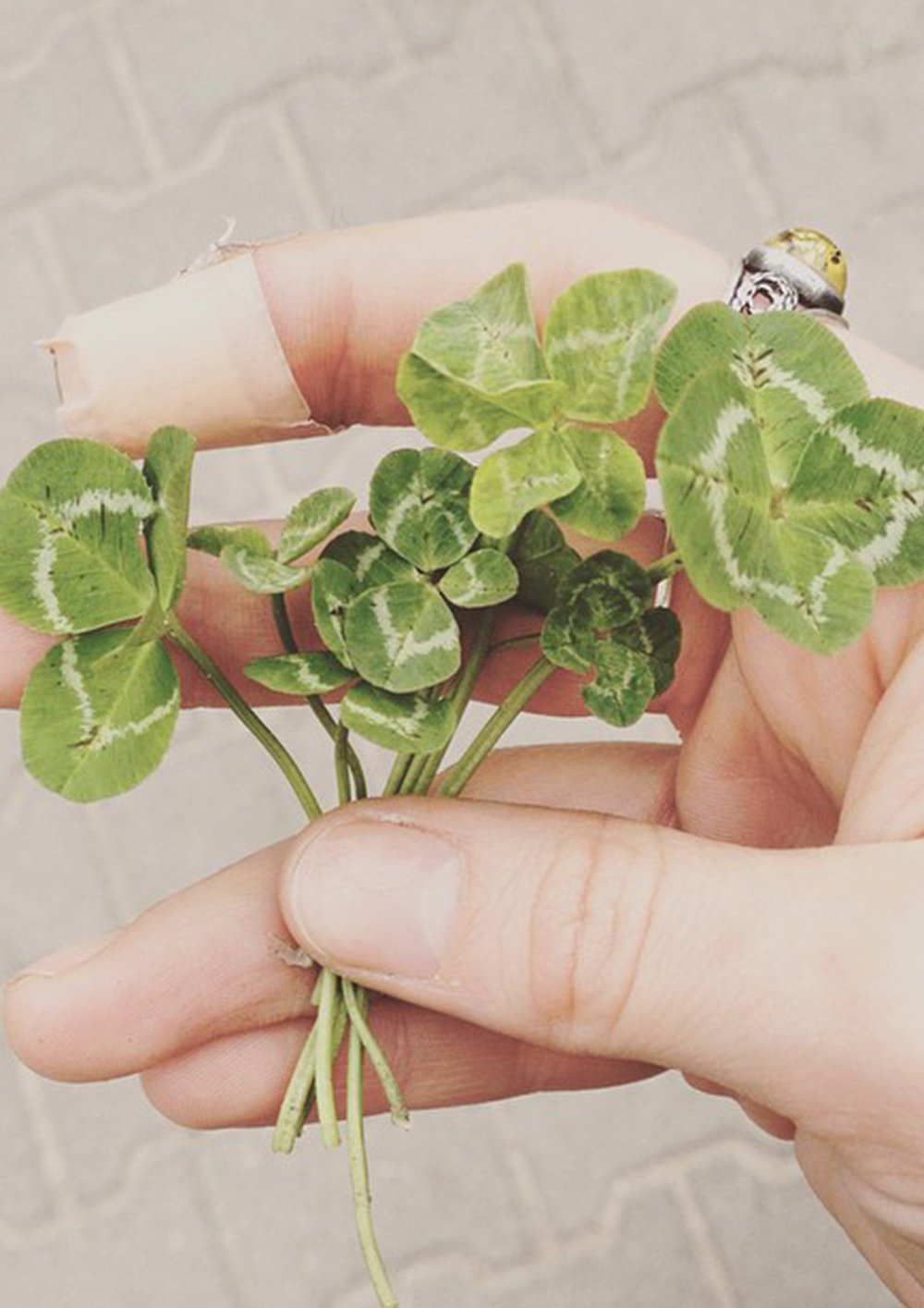
The four-leaf clover appears. If one plant in a clonal network carries a genetic tendency for extra leaves, every connected part of the family inherits it. So if there is one, there is also a big chance that right next to it, there will be more. That’s why finding multiple four-leaf clovers in a single patch isn’t great luck. It’s more than expected. Wherever one lucky is, there usually grows a lucky bouquet.
The question that clonal genetics cannot answer is why certain locations produce so many more of these lucky patches than others. Something else is at work.
Plant development depends on regulatory precision. Environmental stress disrupts it. It can be many things: drought, nutrient imbalance, heavy metals, herbicides, atmospheric pollutants, or radiation. And all of them can alter hormonal signalling and gene expression during the critical stages of leaf formation. When these systems become dysregulated, plants’ developmental stability declines, setting the stage for greater variation.
Biologists call this developmental instability: an increase in morphological variation in a population under pressure.
The evidence from extreme cases provides the clearest picture. Chernobyl is one of the most radioactively contaminated areas on Earth. Studies of plants and animals exposed to chronic radiation have documented elevated mutation rates and developmental abnormalities across many species in the Chernobyl exclusion zone. Anders Pape Møller and Timothy Mousseau’s long-term assessments showed measurable biological effects that persisted for decades after the disaster.
Radiation is an extreme stressor — but the underlying mechanisms operate similarly under many milder forms of environmental pressure. Disruption of DNA repair pathways, oxidative stress, and altered gene regulation can occur under each. The difference between Chernobyl and a busy roadside lies mainly in scale and intensity, not in the type of reaction. And most landscapes are far from clean.
Nitrogen deposition creeps up year by year in the air and water. Trace pollutants accumulate in soil. Heavy metals from vehicle exhaust settle along every road. Herbicide drifts across field edges, poisoning the surrounding terrain. These stressors are slow and often barely visible to the busy human eye. Plants register them — and express them — long before people do.
White clover has already proven its sensitivity as an environmental reporter. Its cyanogenesis polymorphism — whether a plant produces its defence compound — varies predictably between urban and rural areas. It’s a visible, measurable trait that tracks environmental conditions in real time.
Leaflet number has not been studied with the same rigour, but it belongs to the same biological framework. If one visible trait responds to environmental changes, others may respond too. These are called bioindicators — organisms whose biological responses provide information about the quality of the area where they grow. Lichens show changes in air pollution. Aquatic invertebrates reflect the water quality.
White clover has the distribution, visibility, and demonstrated sensitivity, all features needed to show environmental change. Formally, nobody has classified it as a leaflet-number bioindicator. But practically, almost every polluted roadside I have walked along over the years supports the case.
Environmental effects on plants extend beyond the immediate. Changes in gene expression — not in the DNA itself, but in how it’s read — can be triggered by stress and persist across generations. Research in plant molecular biology has shown that stress-induced changes influence adaptation and stability well beyond the plant that experienced the original stressor. It’s visible in humans, too. The children and grandchildren of famine survivors show measurable changes inherited from conditions they never experienced. Stress writes itself into biology, and biology passes it forward.
A patch of clover producing abnormal leaflet numbers may carry the same kind of inherited trace — environmental damage accumulated over years or decades, encoded in gene expression. The plants hold their history and show what they absorb. This is why a four-leaf clover may reflect current conditions as well as events from previous generations.
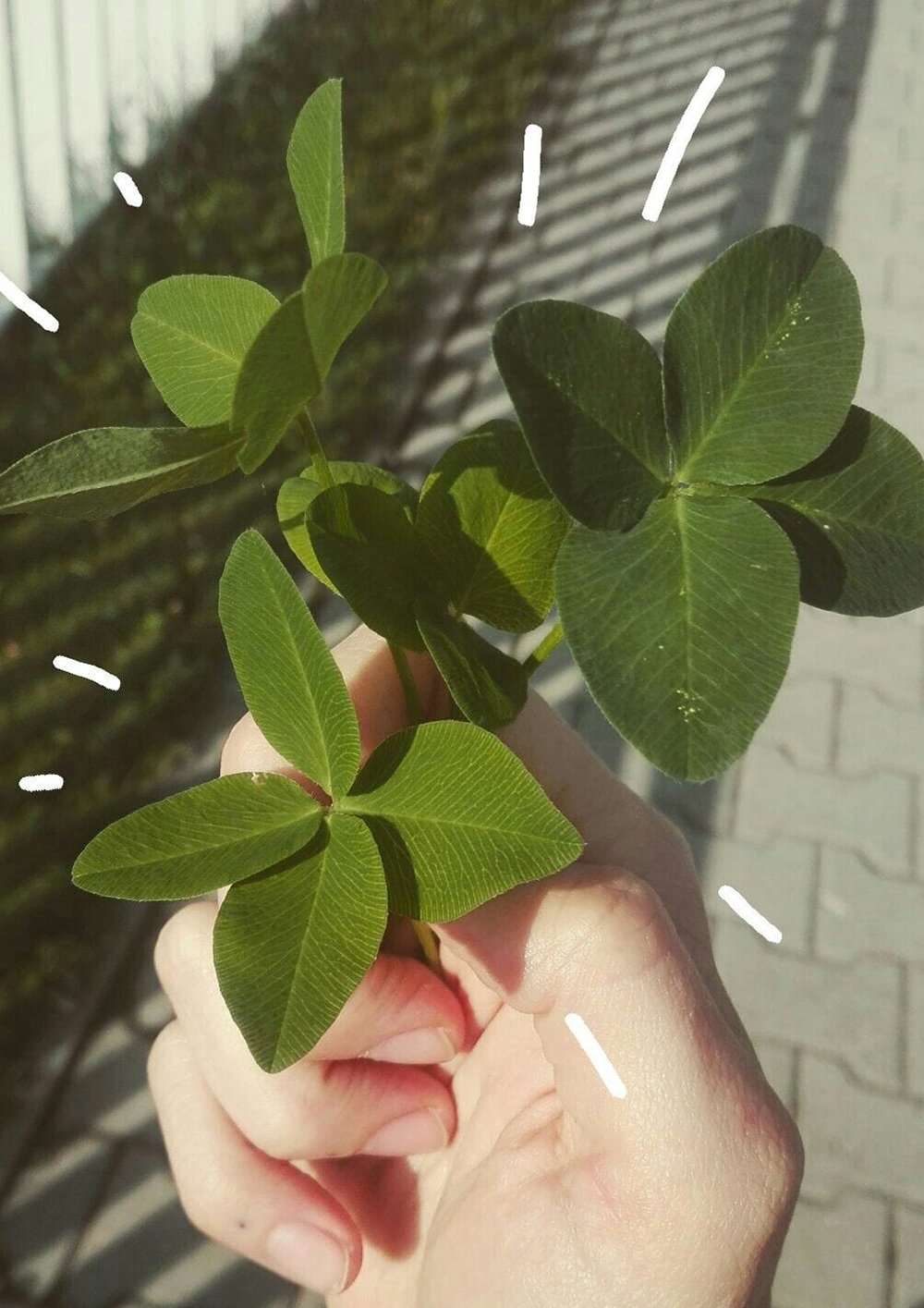
My notes are observation, not research, and I know the limitations. But thirty years of consistent findings, across cities, roadsides, forests, and coastlines of three continents, produce patterns that are hard to dismiss. Polluted and degraded environments generate significantly more four-, five-, and six-leaf clovers than cleaner surroundings. Wilderness far from the cities barely produces any, while a short walk from my apartment in Warsaw to the cafe on the next corner often gives me a handful of lucky clovers — that are often also sick.
The four-leaf clover became a symbol of luck when nobody understood why it appeared. Not everything rare becomes lucky. But a small, edible plant that looks nice and does no harm — in the logic of folklore, clover is a good plant. Its rare version had to be an even better sign. A nice surprise, a perfect gift. A small miracle.
Science makes it much harder to romanticise. A patch full of four-leaf clovers is a sign of a plant population under pressure.
There is something dark and whimsical about handing someone a bouquet of four-leaf clovers — silent evidence of pollution, wrapped in a story about luck. And people will cherish a bad omen, as long as the packaging is pretty enough.
Finding a four-leaf clover can still be a pleasure — like finding Waldo. Sure. But I always keep in mind what could have made that extra leaf grow — what that answer says about the place where it was found.
And what it means to us, finders.




References
- Møller, A. P., & Mousseau, T. A. (2006). Biological consequences of Chernobyl: 20 years on. Trends in Ecology & Evolution, 21(4), 200–207. https://doi.org/10.1016/j.tree.2006.01.008
- Møller, A. P., & Mousseau, T. A. (2015). Strong effects of ionising radiation from Chernobyl on mutation rates. Scientific Reports, 5, 8363. https://doi.org/10.1038/srep08363
- Thompson, K. A., et al. (2016). Urbanisation drives the evolution of parallel clines in plant populations. Proceedings of the Royal Society B, 283(1845), 20162180. https://doi.org/10.1098/rspb.2016.2180
- Lämke, J., & Bäurle, I. (2017). Epigenetic and chromatin-based mechanisms in environmental stress adaptation and stress memory in plants. Genome Biology, 18, 124. https://doi.org/10.1186/s13059-017-1263-6
- Graham, J. H., et al. (2010). Fluctuating asymmetry: Methods, theory, and applications. Symmetry, 2(2), 466–540. https://doi.org/10.3390/sym2020466
- Wendel, J. F. (2000). Genome evolution in polyploids. Plant Molecular Biology, 42, 225–249. https://doi.org/10.1023/A:1006392424384
- Parmar, T. K., et al. (2016). Bioindicators: The natural indicator of environmental pollution. Frontiers in Life Science, 9(2), 110–118. https://doi.org/10.1080/21553769.2016.1162753